
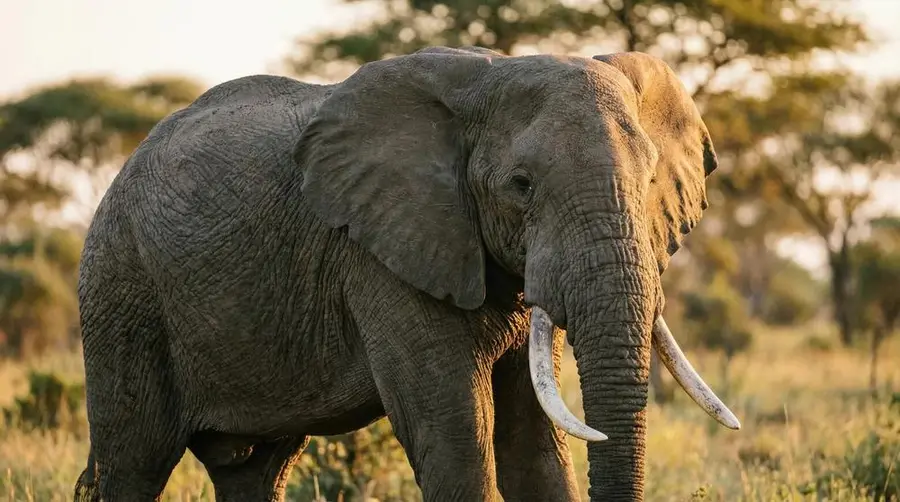
Photographing Wildlife in Hwange National Park
A wildlife photography guide to Hwange National Park, Zimbabwe: the best light, locations, seasons and techniques for capturing memorable safari images.
Hwange National Park offers memorable photographic opportunities, from vast elephant herds gathering at pumped waterholes to the textures of its savanna, teak woodland, and seasonal pans. Strong safari images come from understanding light, behaviour and place rather than simply owning a big lens. Here is how to make the most of the park's conditions and come home with photographs that do it justice.
| Country | Zimbabwe |
|---|---|
| Type | National Park |
| Area | 14,650 km² |
| Established | 1928 |
| Main gateway | Victoria Falls |
| Best months | July, August, September, and October |
Light and timing
Shoot in the early morning and late afternoon, when the light is soft, warm and directional and wildlife is on the move. The harsh overhead sun of midday flattens colour and deepens shadows, so use those hours to rest, back up files and scout locations for the golden light. Watch the weather too — storm light and drifting dust can create your most dramatic frames.
Where to shoot
The park's savanna, teak woodland, and seasonal pans provide strong, story-telling backdrops, so think about where an animal sits within its landscape, not just the animal itself. Signature species worth seeking out for the camera include African Savanna Elephant, Lion, African Wild Dog, Cape Buffalo, and Sable Antelope. Position the vehicle for the light and a clean background, then wait for behaviour rather than settling for a static portrait.
- Bring a long lens (400mm+) for wildlife plus a wider zoom for landscapes and habitat shots.
- Steady long lenses on a beanbag over the vehicle door rather than a tripod inside the cab.
- Shoot from as low an angle as safety allows for intimate, eye-level portraits.
- Protect gear from the fine dust common in Hwange National Park with a rain cover and regular sensor checks.
- Carry spare batteries and ample cards — cold dawns drain power and action fills memory fast.
- Expose for the highlights and keep the animal's eye sharp; refine the crop later rather than missing the moment.
Light and landscape at Hwange National Park
The character of Hwange National Park — its savanna, teak woodland, and seasonal pans and its signature scene, vast elephant herds gathering at pumped waterholes — is at its most photogenic in the golden hours after dawn and before dusk. Low, warm, directional light sculpts animals and land alike, while the harsh midday sun flattens everything; plan your serious shooting around the edges of the day.
Look beyond tight animal portraits. Hwange National Park offers landscape and 'animalscape' images that place wildlife within its setting, telling the story of the place. Watch the sky, too — dramatic clouds, dust, backlight and the brief blaze of sunrise and sunset can lift an ordinary sighting into a memorable frame.
Gear and settings for Hwange National Park
A telephoto in the 100–400mm or 150–600mm range covers most situations at Hwange National Park, letting you fill the frame without crowding the animal, while a shorter zoom captures habitat and scene-setting shots. A beanbag draped over the vehicle door steadies a long lens far more reliably than a tripod inside a vehicle.
Start in aperture priority around f/5.6–f/8, cap auto-ISO, and drop to a fast shutter of 1/1000s or quicker the moment there is action. Bring spare batteries and cards, keep gear sealed against dust — a real issue on dry-season roads — and protect it from sudden rain in the green season.
- 100–400mm or 150–600mm telephoto for wildlife; a shorter zoom for scenes
- Beanbag over the door beats a tripod inside the vehicle
- Guard against dust in the dry season and rain in the green season
- Carry spare batteries and cards — you shoot more than you expect
Ethics and etiquette
The best images from Hwange National Park come from relaxed animals and patient waiting, never from pressure. Never ask your guide to break park rules, drive off-road where prohibited, block an animal's path or crowd a sighting for a better angle. The welfare of the wildlife and the enjoyment of other visitors come before any photograph.
Keep your voice low, movements slow and expectations realistic. Read behaviour, anticipate the next move, and be ready when it comes. The photographers who come home from Hwange National Park with the strongest portfolios are almost always the ones who watched longest and interfered least.
References & further reading
- Parkinson, T. (2016). Photograph the Wildlife of East Africa. Ammonite Press.
- UNEP-WCMC & IUCN (2024). Protected Planet: The World Database on Protected Areas (WDPA).
- Estes, R. D. (2012). The Behavior Guide to African Mammals. Berkeley: University of California Press.
Do it with SafariLingo
Heading to Hwange National Park? Take SafariLingo with you to identify every species you meet, play its call, log sightings on an offline map and plan your days.
Get the appFrequently asked questions
What camera gear do I need for Hwange National Park?
A telephoto of at least 400mm, a wider zoom for scenery, spare batteries, plenty of storage and dust protection will cover most situations in Hwange National Park. A beanbag is invaluable for steadying long lenses on the vehicle. Keep the kit simple enough that you can react quickly.
When is the light best for photography in Hwange National Park?
The first and last two hours of daylight give warm, low, directional light that flatters both wildlife and landscapes. Midday light is harsh and best avoided for serious shooting. Overcast skies, dust and storm light can also create striking, moody images.
How close can I get to wildlife for photos in Hwange National Park?
Let a long lens do the work rather than pressuring an animal by approaching too closely. Keep to the park's rules and your guide's instructions, stay in the vehicle where required, and never block an animal's path. A calm, respectful distance produces more natural behaviour and better photographs.
Related guides
 National Parks
 Photographing Wildlife in Hluhluwe-iMfolozi Park
A wildlife photography guide to Hluhluwe-iMfolozi Park, South Africa: the best light, locations, seasons and techniques for capturing memorable safari images.
National Parks How to Get to Tarangire National Park
How to reach Tarangire National Park in Tanzania: gateway cities, flights, road transfers and practical access tips to make your safari logistics run smoothly.
National Parks How to Get to Lower Zambezi National Park
How to reach Lower Zambezi National Park in Zambia: gateway cities, flights, road transfers and practical access tips to make your safari logistics run smoothly.