
Masai Mara National Reserve Safari Guide
A complete safari guide to Masai Mara National Reserve in Kenya: its wildlife, the best time to visit, activities, habitats and the practical details you need to plan a rewarding trip.
Masai Mara National Reserve in Kenya is celebrated for great-migration river crossings, and it rewards visitors who understand what makes it tick. This guide walks through the wildlife you can hope to see, the seasons that shape the experience, the activities on offer and the practicalities of getting there. Use it to build realistic expectations and a trip that plays to the park's strengths.
| Country | Kenya |
|---|---|
| Type | National Reserve |
| Area | 1,510 km² |
| Established | 1961 |
| Main gateway | Nairobi |
| Best months | July, August, September, and October |
Wildlife in Masai Mara National Reserve
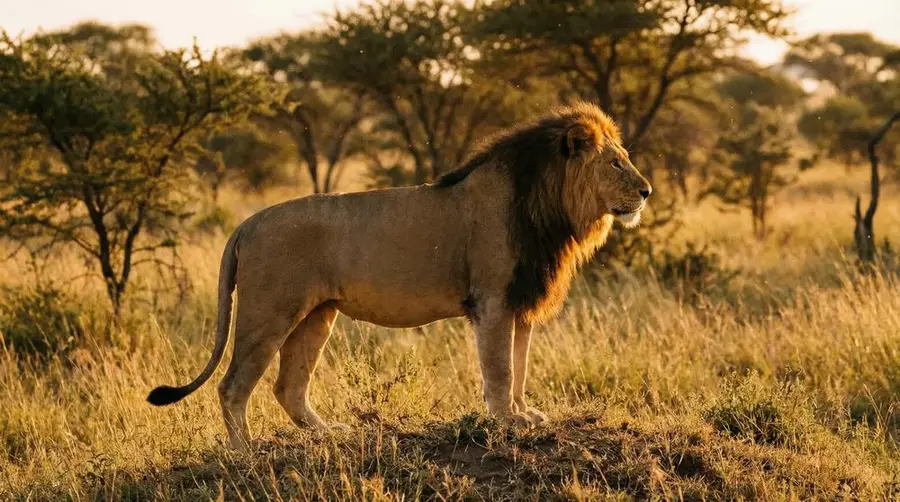
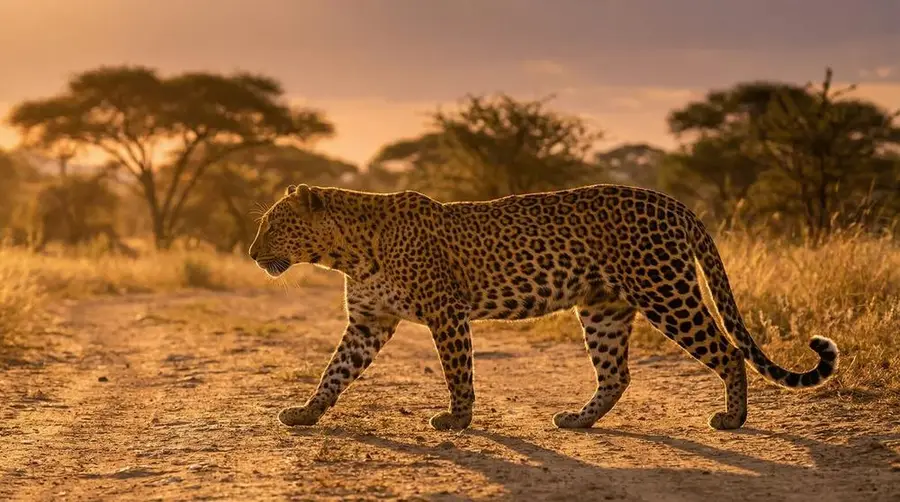
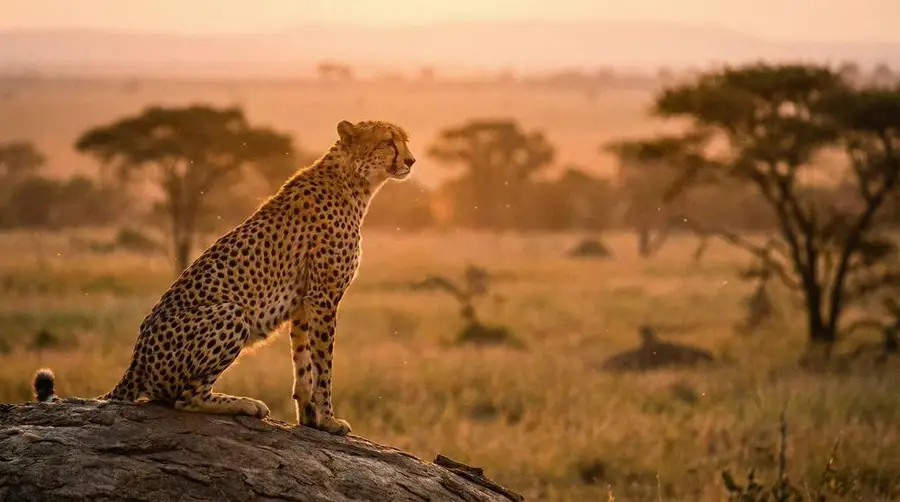
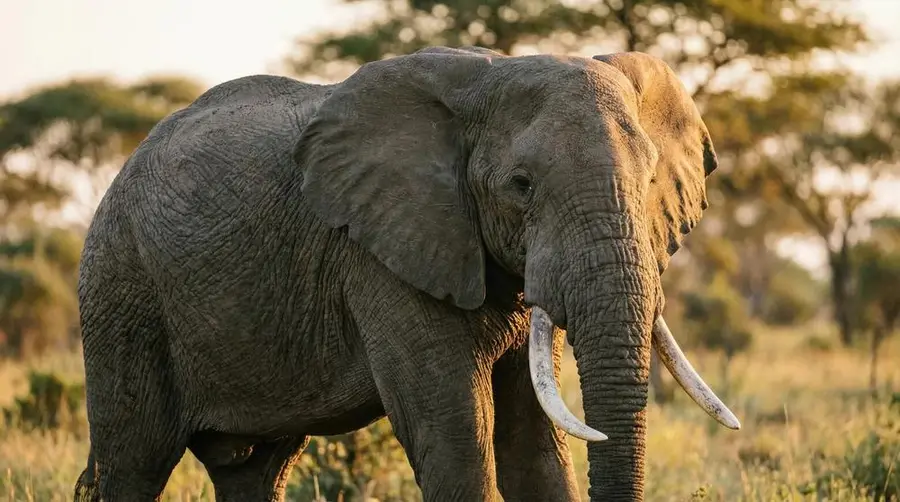
Signature species you can hope to encounter here include Lion, Leopard, Cheetah, African Savanna Elephant, Blue Wildebeest, Burchell's Zebra, Cape Buffalo, and Masai Giraffe. Sightings are never guaranteed in a wild system, but knowing which animals the park is known for helps you and your guide focus each drive. Ask at your camp about recent movements, since predators and large herds shift with water and grazing.
Big Five VU Lion
Panthera leo
 Big Five VU
 Leopard
Panthera pardus
 VU
VU Cheetah
Acinonyx jubatus
 Big Five EN
 African Savanna Elephant
Loxodonta africana
 LC
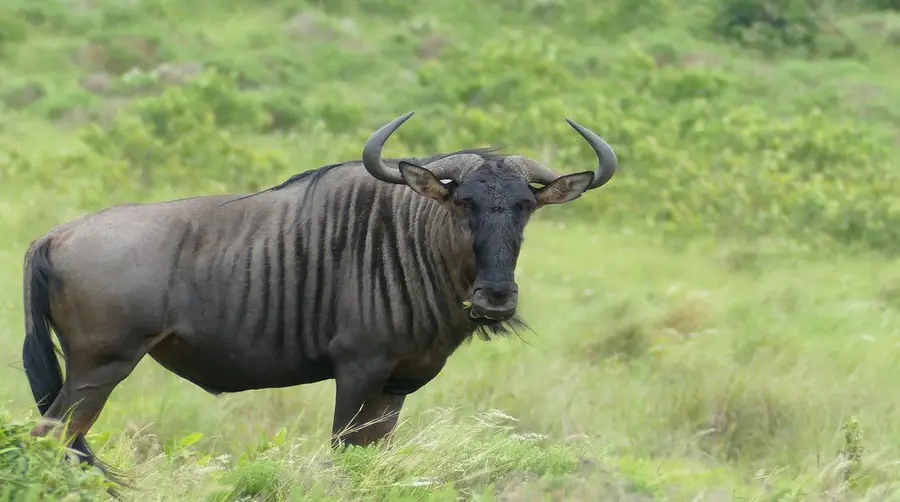
LC Blue Wildebeest
Connochaetes taurinus
 NT
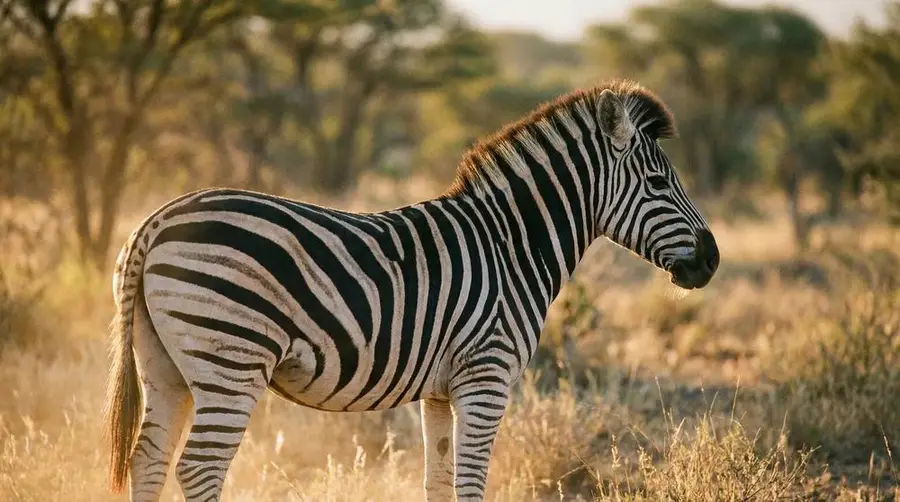
NT Burchell's Zebra
Equus quagga burchellii
 Big Five NT
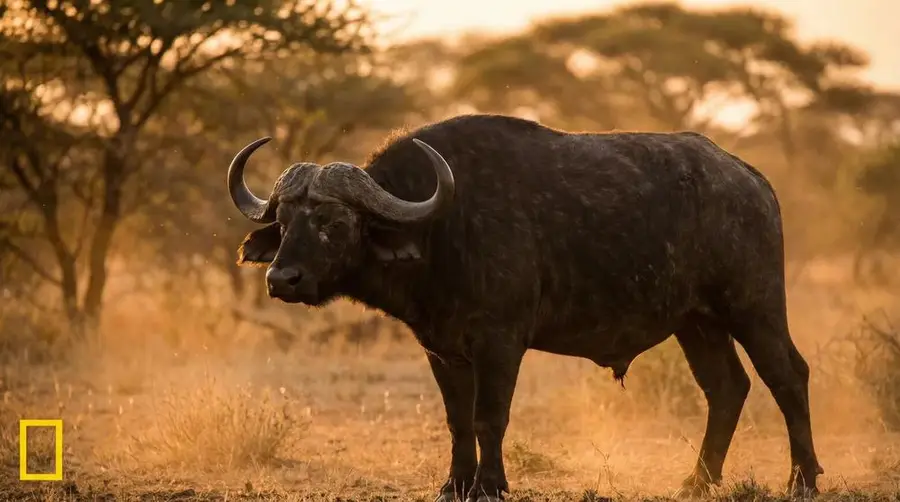
 Cape Buffalo
Syncerus caffer
 EN
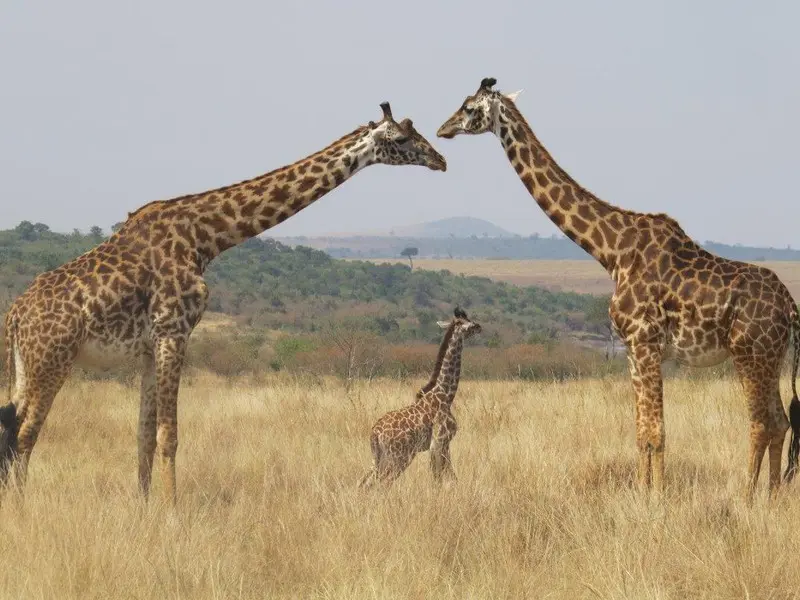
EN Masai Giraffe
Giraffa camelopardalis tippelskirchi
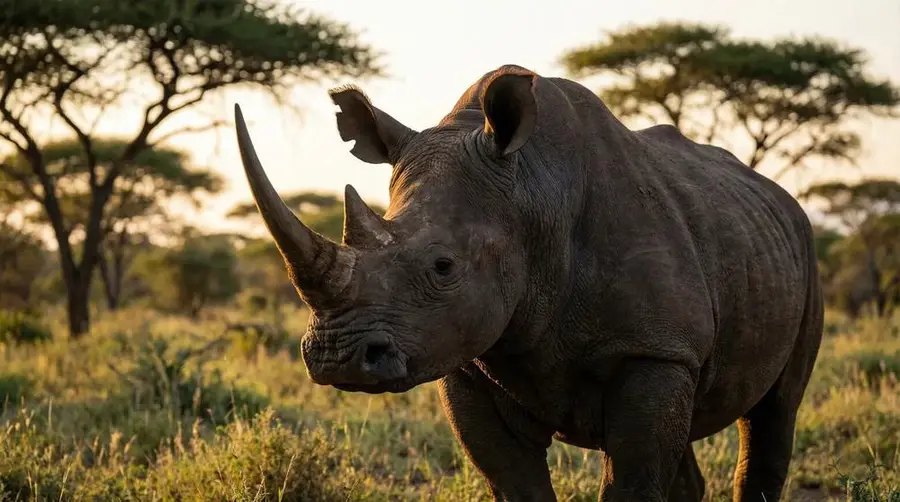 Big Five CR
 Black Rhinoceros
Diceros bicornis
Best time to visit Masai Mara National Reserve
The prime months for a safari in Masai Mara National Reserve are generally July, August, September, and October, when conditions concentrate wildlife and viewing is at its most reliable. That said, each season has its own character, from lush green-season scenery to the crisp, animal-packed heart of the dry months. Match your dates to what you most want to see and how much you mind sharing sightings with other vehicles.
Things to do
Typical ways to experience the park include game drives, hot-air balloon safaris, and cultural visits. Combining more than one — for instance pairing classic game drives with a walk or a water-based outing — gives a fuller sense of the landscape and its wildlife. Your options will depend on the season, the operator and the park's own regulations.
Landscapes and habitats
The park's main habitats are savanna, grassland, and riverine forest, and it is this mosaic that supports its variety of wildlife. Different species favour different zones, so moving between habitats through the day widens the range of animals you meet. Learning to read these landscapes makes every drive more rewarding.
Getting there
Most visitors reach Masai Mara National Reserve via Nairobi, continuing by light aircraft or road transfer depending on distance, budget and the rest of their itinerary. Fly-in options save time and add scenic aerial views, while road transfers cost less and show you more of the country. Book internal connections as part of your package to avoid awkward gaps.
Planning your days at Masai Mara National Reserve
Masai Mara National Reserve rewards a rhythm built around the wildlife rather than the clock. Aim to be out for first light, when animals are moving and the air is cool, break through the heat of the day back at camp, then head out again for the golden hours before dusk. Its signature activities — game drives, hot-air balloon safaris, and cultural visits — slot naturally into that pattern.
Give yourself enough time. A single night rarely does a park justice; two or three lets you learn the productive areas, return to promising sightings and absorb the place rather than tick it off. Build your itinerary around the highlight — great-migration river crossings — and let the rest of each day flow from there.
- Be out for dawn and dusk; rest through the midday heat
- Allow at least two or three nights to do Masai Mara National Reserve justice
- Build days around Masai Mara National Reserve's signature activities: game drives, hot-air balloon safaris, and cultural visits
- Keep some time unplanned so you can linger at great sightings
Where the wildlife concentrates
Masai Mara National Reserve protects a mosaic of savanna, grassland, and riverine forest, and knowing which habitat holds what transforms your game drives. Water is the great magnet, especially late in the dry season, so rivers, waterholes and floodplains repay repeated visits. The species you are most likely to meet include Lion, Leopard, Cheetah, African Savanna Elephant, Blue Wildebeest, Burchell's Zebra, Cape Buffalo, and Masai Giraffe.
Ask your guide to explain how the animals use the landscape through the day and the seasons — where the grazers gather, where the predators lie up, where the birds concentrate. Understanding that ecology turns a drive from a hopeful search into a reading of the land, and it is what separates a memorable visit to Masai Mara National Reserve from a merely pleasant one.
Practical tips for Masai Mara National Reserve
Masai Mara National Reserve lies in Kenya, reached via the Nairobi gateway, and a little logistical planning smooths the whole trip. Confirm how you will arrive and move around, whether park fees are included in your rate, and what the roads are like in the season you are travelling.
Pack for big temperature swings — cold, dark morning drives even near the equator, warming fast after sunrise — and bring binoculars, sun protection and plenty of water. Respect the park rules on speed, off-road driving and distance from animals; they exist to protect both the wildlife and the quality of everyone's experience.
References & further reading
- UNEP-WCMC & IUCN (2024). Protected Planet: The World Database on Protected Areas (WDPA).
- Sinclair, A. R. E., Metzger, K. L., Mduma, S. A. R., & Fryxell, J. M. (Eds.) (2015). Serengeti IV. Chicago: University of Chicago Press.
- Estes, R. D. (2012). The Behavior Guide to African Mammals. Berkeley: University of California Press.
- Briggs, P. (2021). East Africa Safari Guides. Chalfont St Peter: Bradt Travel Guides.
Do it with SafariLingo
Heading to Masai Mara National Reserve? Take SafariLingo with you to identify every species you meet, play its call, log sightings on an offline map and plan your days.
Get the appFrequently asked questions
What is Masai Mara National Reserve famous for?
Masai Mara National Reserve is best known for great-migration river crossings. That reputation reflects the species, landscapes and experiences that set it apart from other reserves. It is a useful starting point for deciding whether the park matches the safari you have in mind.
When is the best time to visit Masai Mara National Reserve?
The most reliable months are generally July, August, September, and October, when wildlife viewing tends to be at its best. However, a well-run safari can be rewarding year-round, with each season offering something different. Weigh the trade-off between peak sightings, crowds and cost when you choose.
How many days should I spend in Masai Mara National Reserve?
Two to three nights is a sensible minimum, giving wildlife time to appear and letting you settle into the rhythm of the bush. Keen photographers and wildlife watchers often justify longer. Pairing Masai Mara National Reserve with a nearby reserve makes for a richer, more varied trip.
Related guides
 National Parks
 Lake Nakuru National Park Safari Guide
A complete safari guide to Lake Nakuru National Park in Kenya: its wildlife, the best time to visit, activities, habitats and the practical details you need to plan a rewarding trip.
 National Parks
 Volcanoes National Park Safari Guide
A complete safari guide to Volcanoes National Park in Rwanda: its wildlife, the best time to visit, activities, habitats and the practical details you need to plan a rewarding trip.
National Parks Mana Pools National Park Safari Guide
A complete safari guide to Mana Pools National Park in Zimbabwe: its wildlife, the best time to visit, activities, habitats and the practical details you need to plan a rewarding trip.