
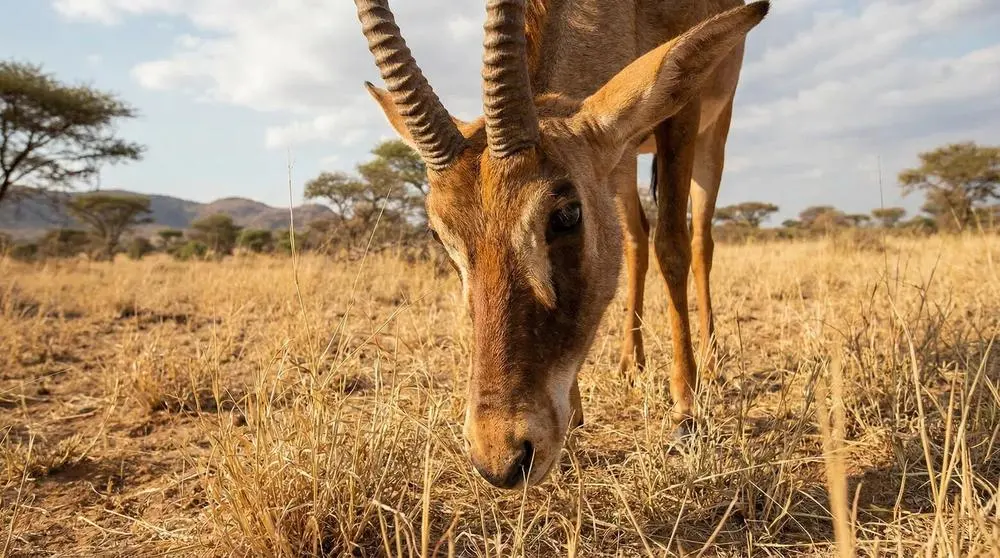
How to Photograph the Roan Antelope on Safari
Wildlife photography tips for the Roan Antelope: the best light, angles, timing and camera settings to capture strong, natural images of this species on an African safari.
Photographing the Roan Antelope rewards preparation, patience and a feel for the animal's behaviour far more than expensive gear. The aim is not simply to prove you saw it, but to capture how it moves, where it lives and the character in its eyes. This guide covers the light, timing, angles and settings that turn a record shot of the Roan Antelope into a photograph worth printing.
| Scientific name | Hippotragus equinus |
|---|---|
| Conservation status | Least Concern |
| Category | Mammals |
| Habitat | Open woodland savanna, open grasslands, and shrublands |
Getting the shot
Every species asks for a slightly different approach, and for the Roan Antelope the essentials are these: Use natural light to capture running posture and facial features; use a telephoto lens to maintain a safe distance. Beyond the technical advice, move slowly and predictably so you do not alarm it, and let the animal settle before you start shooting. The calmer your subject, the more natural the behaviour you will capture.
Light, timing and behaviour
The Roan Antelope is most active Diurnal, mainly active during early morning and late evening, which conveniently overlaps with the soft, low, golden light that flatters wildlife. Shoot with the sun low and behind or to the side of you for warm tones, long shadows and a catchlight in the eye. Rather than chasing the animal from frame to frame, read its behaviour, anticipate the next move and be ready when the moment comes.
- Shoot at eye level whenever terrain and safety allow — dropping low turns a flat snapshot into an intimate portrait.
- Work the golden hours after dawn and before dusk for warm colour, soft contrast and long, sculpting shadows.
- Keep shutter speed high enough to freeze sudden movement — 1/1000s or faster for a running or flying subject.
- Expose for the eyes and keep them sharp; a wildlife image lives or dies on the sharpness of the nearest eye.
- Leave some habitat in the frame to tell the story of where the Roan Antelope lives, and use a wide aperture to lift it off a busy background.
- Steady long lenses on a beanbag over the vehicle door, cut the engine, and shoot short bursts rather than single frames.
Composition and the eye
A strong photograph of the Roan Antelope lives or dies on the eye. Focus there, keep it sharp, and make sure there is a catchlight — that tiny reflection of the sky that brings an animal to life. Everything else is secondary.
Drop to eye level whenever terrain and safety allow; shooting down turns a portrait into a snapshot, while a low angle pulls the viewer into the animal's world. Leave a little habitat in the frame to tell the story of where the Roan Antelope lives, and use a wide aperture to lift it cleanly off a busy background. Give the animal room to look or move into, rather than pinning it against the edge of the frame.
- Focus on the near eye and keep it pin-sharp
- Shoot at eye level for intimacy; avoid looking down on the subject
- Leave space for the animal to look or move into
- Include habitat to tell the story, but blur it with a wide aperture
Settings and light for the Roan Antelope
The Roan Antelope is most active Diurnal, mainly active during early morning and late evening, which happily overlaps with the soft, low, golden light that flatters all wildlife. Shoot with the sun low and behind or to the side of you for warm tone, gentle contrast and long, sculpting shadows; save the harsh midday hours for scouting and rest.
As a starting point, work in aperture priority around f/5.6–f/8 with auto-ISO capped, then switch to a fast shutter of 1/1000s or quicker the instant there is action. Use continuous autofocus with back-button control to track movement, and shoot short bursts to catch the peak of a moment rather than firing continuously and hoping.
Fieldcraft and ethics
Great wildlife images come from behaviour, and behaviour only appears when the animal is relaxed. Move slowly and predictably, keep your voice down, and let the Roan Antelope settle before you lift the camera. A calm subject shows you natural feeding, interaction and movement; a stressed one simply leaves.
Never ask a driver to block an animal's path, crowd a sighting or push closer than the animal is comfortable with. The welfare of the Roan Antelope always outranks the photograph. Steady a long lens on a beanbag over the vehicle door, cut the engine, and be patient — the best frame is almost always the one you waited for, not the one you chased.
References & further reading
- Parkinson, T. (2016). Photograph the Wildlife of East Africa. Ammonite Press.
- Kingdon, J. (2015). The Kingdon Field Guide to African Mammals (2nd ed.). London: Bloomsbury.
- Estes, R. D. (2012). The Behavior Guide to African Mammals. Berkeley: University of California Press.
Do it with SafariLingo
Identify the Roan Antelope instantly in the field — SafariLingo plays its call, shows full facts and works completely offline, even with no signal.
Get the appFrequently asked questions
What is the best time of day to photograph the Roan Antelope?
Aim for the first and last two hours of daylight. The Roan Antelope is most active Diurnal, mainly active during early morning and late evening, and the low sun delivers warm, directional light with none of the harsh midday glare. Midday is better spent scouting, reviewing images and resting for the next session.
What camera settings work best for the Roan Antelope?
Start in aperture priority around f/5.6–f/8 with auto-ISO capped, then switch to a fast shutter of 1/1000s or quicker the moment there is action. Use continuous autofocus and back-button focus to track movement, and shoot short bursts to catch the peak of behaviour. Always keep the eye as your focus point.
What lens do I need to photograph the Roan Antelope?
A telephoto in the 100–400mm or 150–600mm range covers most safari situations and lets you fill the frame without crowding the animal. Pair it with a shorter zoom for habitat and scene-setting shots. A beanbag steadies the long lens far more reliably than a tripod inside a vehicle.
Related guides
 Wildlife
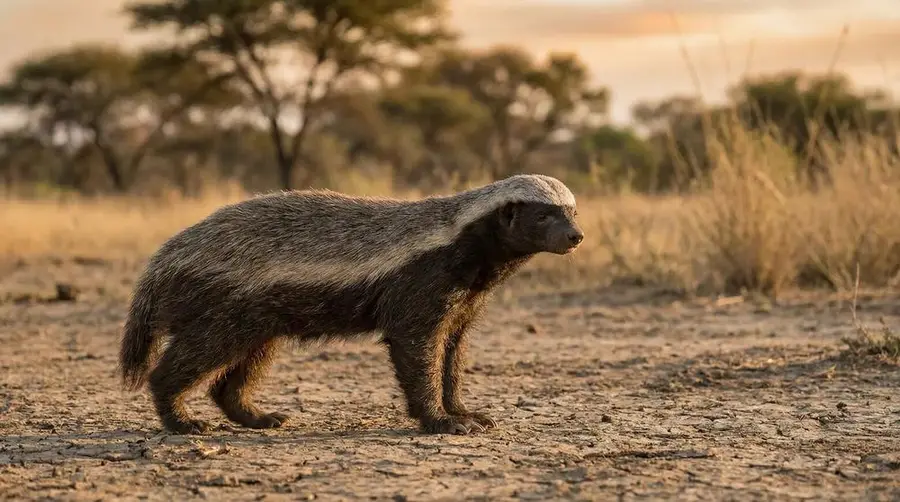
 How to Spot the Honey Badger on an African Safari
A field guide to finding the Honey Badger (Mellivora capensis) on safari: the habitats it favours, the hours it is most active, the field marks that give it away, and the tracking craft experienced guides use to locate it.
 Wildlife
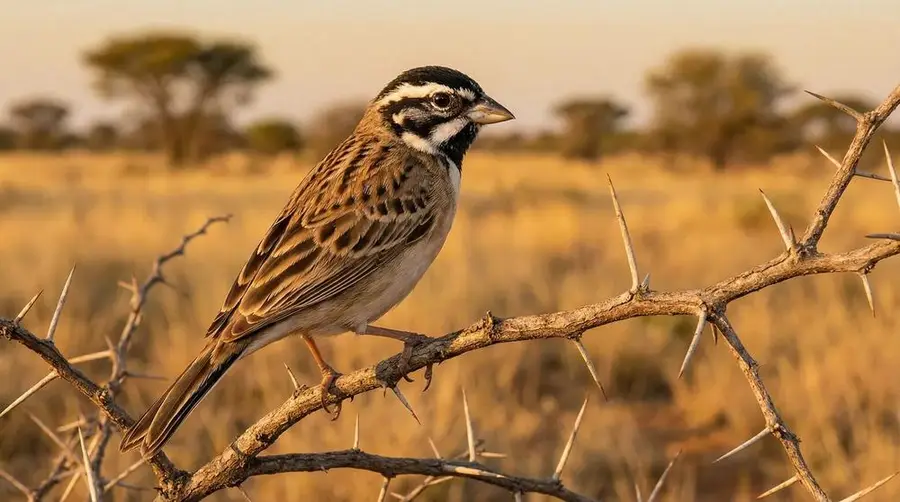
 How to Spot the Lark-like Bunting on an African Safari
A field guide to finding the Lark-like Bunting (Emberiza impetuani) on safari: the habitats it favours, the hours it is most active, the field marks that give it away, and the tracking craft experienced guides use to locate it.
 Wildlife
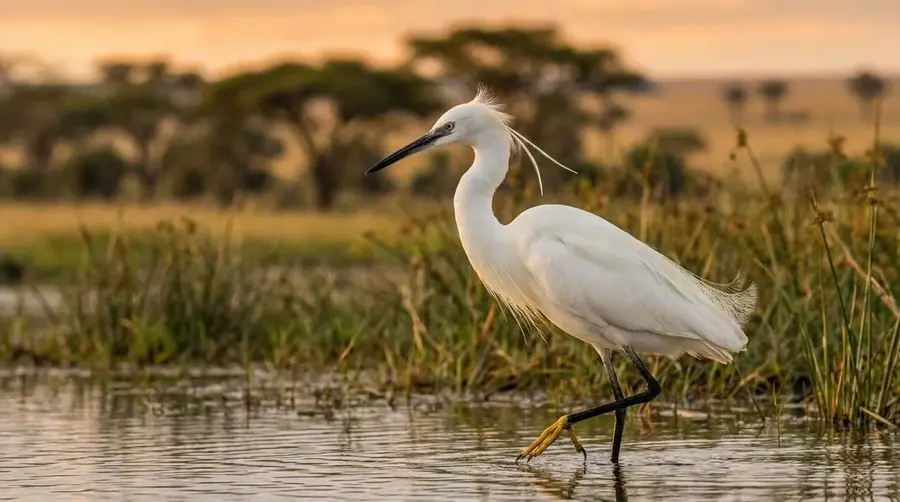
 How to Spot the Little Egret on an African Safari
A field guide to finding the Little Egret (Egretta garzetta) on safari: the habitats it favours, the hours it is most active, the field marks that give it away, and the tracking craft experienced guides use to locate it.