
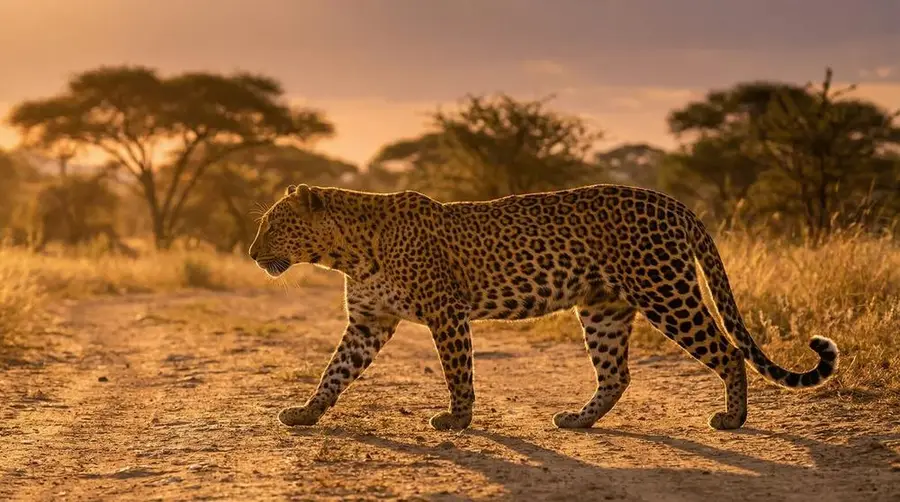
How to Get to South Luangwa National Park
How to reach South Luangwa National Park in Zambia: gateway cities, flights, road transfers and practical access tips to make your safari logistics run smoothly.
Sorting out the logistics is part of a smooth safari to South Luangwa National Park in Zambia. This guide explains the usual gateways, how travellers cover the last leg, and the practical choice between flying and driving. A little planning here prevents wasted days and awkward connections later.
| Country | Zambia |
|---|---|
| Type | National Park |
| Area | 9,050 km² |
| Established | 1972 |
| Main gateway | Mfuwe |
| Best months | June, July, August, September, and October |
Gateway and access
The usual gateway for South Luangwa National Park is Mfuwe, from where travellers continue by light aircraft or road transfer depending on the itinerary, budget and season. Fly-in routes save hours and add spectacular aerial views of the landscape; road transfers cost less and reveal the country between destinations. Your operator can advise which mix best suits your route and the state of the roads.
- Fly-in safaris save time and add scenic light-aircraft transfers over the bush.
- Road transfers cost less and let you see the towns, farms and country between parks.
- Book internal flights and transfers as part of a package to avoid missed connections.
- Allow a generous buffer for international arrivals before any onward light-aircraft leg.
- Check baggage limits on small planes — soft bags and modest weight allowances are the norm.
- Confirm who meets you and where; a clear hand-over at the gateway saves stress on arrival.
Flying in versus driving
Reaching South Luangwa National Park usually comes down to a choice between a light aircraft transfer and a road journey, and each has its place. Flying in saves hours, spares you rough roads and delivers a spectacular aerial view of the landscape, but it costs more and limits your luggage. Driving is cheaper, lets you carry more and turns the journey into part of the adventure, but it can be long and tiring on unsealed roads.
Many travellers combine the two — driving one leg to see the country and flying the other to save time. Weigh your budget, the season (roads can deteriorate badly in the rains), how much time you have and how far South Luangwa National Park sits from the nearest hub before you decide.
- Fly-in: fast, scenic, easier — but pricier and strict on luggage
- Drive: cheaper and flexible — but longer and rougher, worse in the rains
- Consider mixing the two to balance time, cost and experience
- Confirm luggage limits early, especially for light aircraft
At the Mfuwe gateway
South Luangwa National Park is most commonly reached via Mfuwe, and this is where transfers, supplies and last connections come together. If you are self-driving, top up fuel, water and cash here, as options inside and beyond the park are limited. If you are being met, confirm the pickup point and timing in advance so a missed connection does not cost you a game drive.
Build in a buffer. Flights get delayed, roads take longer than the map suggests, and arriving flustered at dusk is no way to start. Where it makes sense, an overnight near Mfuwe lets you begin fresh at first light rather than racing the sunset on your first day.
Getting around inside South Luangwa National Park
Once you are in South Luangwa National Park, most game viewing is done from a vehicle on a network of tracks, whether in your guide's 4x4 or your own if self-driving is permitted. Distances between sightings and camps can be larger than they look, so plan routes with your guide and keep an eye on time and fuel.
Respect the ground rules that keep South Luangwa National Park wild: stick to designated tracks, observe speed limits, keep to the permitted hours and never off-road where it is prohibited. In some parks you can extend your options with walking safaris, night drives, and game drives, which reach corners a vehicle cannot and offer a completely different perspective on the same landscape.
References & further reading
- UNEP-WCMC & IUCN (2024). Protected Planet: The World Database on Protected Areas (WDPA).
- Sinclair, A. R. E., Metzger, K. L., Mduma, S. A. R., & Fryxell, J. M. (Eds.) (2015). Serengeti IV. Chicago: University of Chicago Press.
- Estes, R. D. (2012). The Behavior Guide to African Mammals. Berkeley: University of California Press.
- Briggs, P. (2021). East Africa Safari Guides. Chalfont St Peter: Bradt Travel Guides.
Do it with SafariLingo
Heading to South Luangwa National Park? Take SafariLingo with you to identify every species you meet, play its call, log sightings on an offline map and plan your days.
Get the appFrequently asked questions
What is the nearest gateway to South Luangwa National Park?
Most safaris to South Luangwa National Park route through Mfuwe, which acts as the staging point for the final leg. From there you continue by air or road depending on your itinerary. Your operator will confirm the exact connections for your dates.
Should I fly or drive to South Luangwa National Park?
Flying saves time and is often the only practical option for remote camps, but it costs more and limits luggage. Driving is cheaper, carries more baggage and shows you the country, at the price of longer travel days. Many itineraries combine the two.
How long does it take to reach South Luangwa National Park?
It depends entirely on your starting point and whether you fly or drive from Mfuwe. Light-aircraft hops are usually a matter of an hour or two, while road transfers can fill much of a day. Build in buffer time so a delay never costs you a game drive.
Related guides
 National Parks
 Top Wildlife to See in Addo Elephant National Park
The wildlife of Addo Elephant National Park, South Africa: the signature mammals, birds and predators to look for on safari, and the field craft that helps you find them.
 National Parks
 Photographing Wildlife in Laikipia Plateau Conservancies
A wildlife photography guide to Laikipia Plateau Conservancies, Kenya: the best light, locations, seasons and techniques for capturing memorable safari images.
 National Parks
 Photographing Wildlife in Akagera National Park
A wildlife photography guide to Akagera National Park, Rwanda: the best light, locations, seasons and techniques for capturing memorable safari images.