
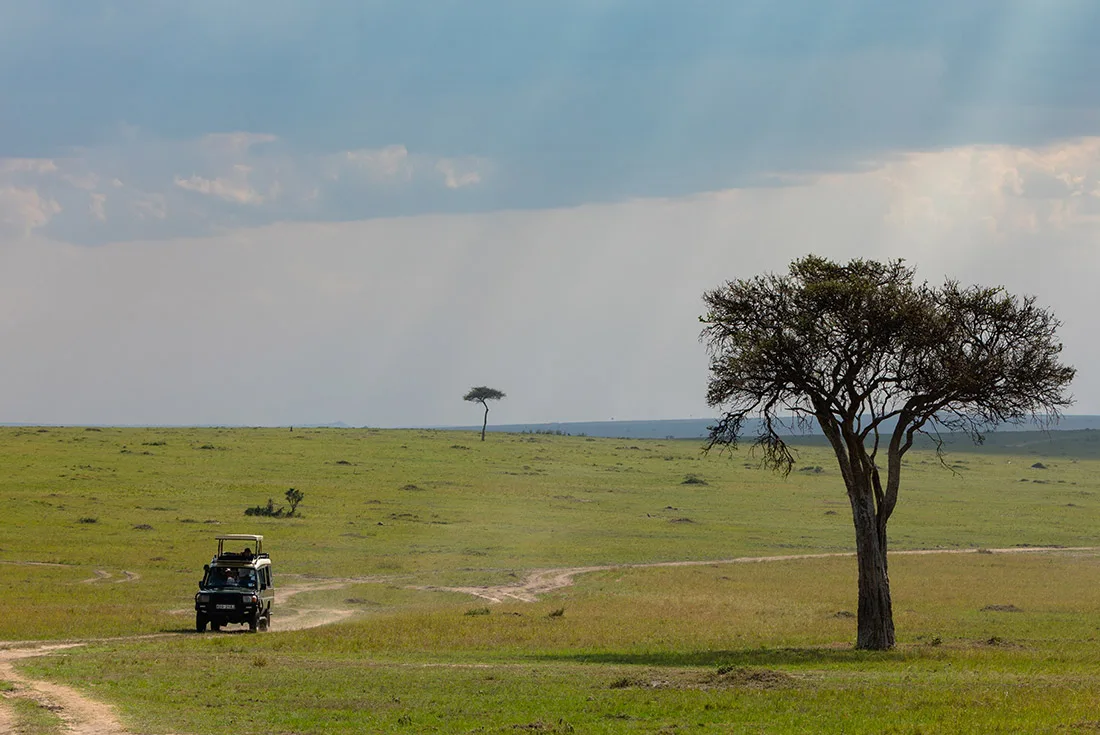
How Safari Park Fees and Conservation Charges Work
A clear, practical guide to how national park entry fees, conservancy levies, concession fees and activity permits work on safari, why they vary so much, what they pay for, and how to budget for them accurately.
Park fees are one of the least understood and most underestimated costs of a safari. Travellers who have carefully compared lodge rates are often startled to find a substantial extra charge, per person and per day, simply for the right to be inside the wildlife area at all. It is not a scam or a hidden trick; it is the financial engine that keeps the wilderness wild. These fees are the backbone of conservation. They pay the rangers, fund anti-poaching patrols, maintain roads and airstrips, support research and veterinary work, and channel money to the communities who live alongside dangerous wildlife. Understanding how the system is structured helps you see exactly where your money goes and budget without nasty surprises at the gate. This guide explains the main types of fee you will meet, why the same-sounding experience can cost wildly different amounts in different places, how the rules differ from country to country, and how to make sure park charges are built into your planning from the very beginning rather than sprung on you when you arrive.
Key things to know
- Park fees are usually charged per person for each day or rolling 24-hour period
- They fund rangers, anti-poaching, roads, research and neighbouring communities
- National parks, private conservancies and concessions all charge differently
- Fees vary by country, season, residency status and visitor category
- Some rates reset at a fixed hour, which affects arrival and departure days
- Special permits such as gorilla or chimp tracking cost far more than ordinary entry
- Always confirm in writing whether fees are included in your quoted price
- Budget park fees as a separate line, because they add up faster than expected
What park fees actually pay for
Park and conservation fees are the primary way protected areas fund themselves. Your daily charge helps pay ranger salaries, anti-poaching operations, road and track maintenance, airstrip upkeep, veterinary and research work, and the everyday administration that keeps a park running. In many places a defined share also flows back to the communities who share the landscape with elephants, lions and buffalo.
This matters because tourism revenue is often the single strongest argument for keeping land wild rather than converting it to farmland, cattle or development. When you pay a park fee you are directly funding the reason the wildlife and habitat still exist. Far from being a nuisance, it is one of the most tangible ways your trip supports conservation on the ground.
- Ranger wages and anti-poaching patrols
- Road, track and airstrip upkeep
- Wildlife research, monitoring and veterinary care
- A defined share for neighbouring communities in many areas
The main types of fee
You will typically meet a few distinct charges. National park entry fees are set by the government wildlife authority and paid per person for each day or 24-hour period inside the park. Private conservancy and concession fees are charged by lodges on community or private land, often bundled into your nightly rate, and buy access to exclusive, less crowded areas with privileges like off-road driving, night drives and guided walks.
On top of these sit activity-specific permits and levies. Gorilla and chimpanzee tracking permits, for example, are entirely separate and can be very expensive, reflecting the strict daily limits on visitor numbers. Some areas add bed-night levies, community development fees, vehicle charges or camping fees, so it always pays to ask for a full itemised breakdown.
- National park entry fees set by the government
- Conservancy or concession fees on private and community land
- Activity permits such as gorilla or chimp tracking
- Bed levies, community fees, vehicle and camping charges
Why fees vary so much
The same-sounding safari can cost very different amounts depending on where and how you travel. Fees differ by country, by the fame and management model of the reserve, and often by season, with peak dry-season months priced higher than the green season. Many parks also charge foreign visitors more than residents or citizens, which is completely normal and helps keep wildlife accessible to local people.
Exclusivity is the other big factor. Private conservancies with few beds and strict vehicle limits charge premium fees precisely because they cap visitor numbers, giving you quieter sightings, off-road access and a sense of having the bush to yourself. Busier public parks are cheaper to enter but far more crowded at a good sighting. Neither is better or worse; they simply offer different experiences at different price points.
- Country and specific reserve set the base level
- Peak season often costs more than the green season
- Foreign visitors usually pay more than residents
- Exclusive, low-density areas charge the highest fees
How the rules differ from country to country
The fine print is rarely identical across borders. Some authorities charge a flat daily park fee, others add separate conservation or concession levies on top; a few require fees to be pre-paid or loaded onto a cashless card rather than paid in cash at the gate. Iconic experiences such as mountain gorilla permits are priced very differently between neighbouring countries, which is why the same activity can cost far more on one side of a border than the other.
Because policies and prices change from year to year, treat any figure you read online as a rough guide rather than gospel. Ask your operator for the current rates for the specific parks on your route, and confirm how each one is collected. A reputable operator deals with these mechanics daily and can tell you exactly what to expect.
- Some countries add separate conservation or concession levies
- A few require cashless pre-payment rather than cash at the gate
- Permit prices for the same activity differ across borders
- Rates are revised periodically, so confirm current figures
How to budget for park fees
The golden rule is to treat park fees as a separate line in your budget and never assume they are included. When comparing trips, ask your operator directly whether quoted prices are inclusive of all park, conservancy and activity fees, and get the answer in writing. A cheaper-looking package can turn out dearer once the gate charges are added.
Work out the fee per person per day for each area you will visit, multiply by the number of days, and add any special permits separately. Be aware that some fees run for a fixed 24-hour period from the moment you enter rather than by calendar day, which changes the cost of your arrival and departure days. A little arithmetic up front means the gate is never a shock.
- Ask whether quotes include all park and activity fees
- Calculate fees per person, per day, per area
- Add special permits like gorilla tracking separately
- Check whether fees run by calendar day or rolling 24 hours
Common mistakes to avoid
The classic error is comparing lodge-only rates and forgetting fees entirely, so a trip that looked affordable balloons at the last minute. Another is assuming a single day fee covers a full 24 hours, then being charged again on departure morning. Travellers also forget that children, students and residents may pay different rates, and that some gates only accept certain payment methods.
Avoid all of this by insisting on a written, itemised quote before you pay a deposit, and by asking your operator to spell out every fee, per park, in your final currency. If you are self-driving, carry the right payment method and keep receipts, since you may need to show proof of payment at internal checkpoints.
- Comparing lodge rates while ignoring park fees
- Assuming a day fee always covers a rolling 24 hours
- Overlooking child, student and resident rates
- Arriving without the accepted payment method
References & further reading
- Sinclair, A. R. E., et al. (Eds.) (2015). Serengeti IV. Chicago: University of Chicago Press.
- Estes, R. D. (2012). The Behavior Guide to African Mammals. Berkeley: University of California Press.
- Kingdon, J. (2015). The Kingdon Field Guide to African Mammals (2nd ed.). London: Bloomsbury.
- IUCN (2024). The IUCN Red List of Threatened Species, Version 2024-1. www.iucnredlist.org.
Do it with SafariLingo
Take SafariLingo on safari: 300+ species, real animal calls, offline maps and sighting logs — all in your language, wherever you roam.
Get the appFrequently asked questions
Why are safari park fees so expensive?
Because they fund the entire conservation effort: rangers, anti-poaching, road upkeep, research and community support. Tourism income is often the main reason land stays protected rather than being converted to farming. High fees, especially for rare experiences like gorilla tracking, also deliberately limit visitor numbers to protect the wildlife.
Are park fees usually included in the safari price?
Sometimes, but never assume so. Some operators quote fully inclusive rates while others list park and conservation fees separately or expect you to pay at the gate. Always confirm in writing exactly which fees are included, as they can add a significant amount per person per day to your total.
Why do foreigners pay more than locals for park entry?
Most wildlife authorities use tiered pricing so that citizens and residents pay less than international visitors. This is standard practice worldwide and keeps national parks affordable for local people, while visitors from abroad help fund conservation. Carry ID if you qualify for a resident or citizen rate.
Do park fees cover a full day or 24 hours?
It varies by park. Some charge per calendar day, so a fee covers you until closing or midnight, while others charge for a rolling 24-hour period from when you enter. This especially affects arrival and departure days, so check the rule for each park so you are not charged for an extra day unexpectedly.
Can I pay park fees in cash at the gate?
Increasingly, no. Many parks have moved to cashless systems or require permits to be arranged in advance, and some accept only cards or pre-loaded passes. Ask your operator how each park on your route collects fees, and if you are self-driving, confirm the accepted payment method before you arrive.
Related guides
 Planning & Tips
 Safari First-Aid Kit Essentials
A practical guide to building a personal safari first-aid kit: rehydration salts, antimalarials, doctor-prescribed antibiotics, painkillers, blister and wound care, allergy medicines, sunscreen, tweezers and how to pack and use them responsibly.
 Planning & Tips
 Staying Healthy: Food and Water on Safari
How to avoid traveller's tummy on safari: safe drinking water, bottled and filtered options, food hygiene at camps, care with fruit and salad, staying hydrated, and knowing when to self-treat or seek help.
 Planning & Tips
 Sun and Heat Safety on Safari
A practical guide to sun and heat safety on safari: sun-protection strategy, the right hats and clothing, staying hydrated, timing activity around the day's heat, spotting heat exhaustion, and coping with altitude and dust.