
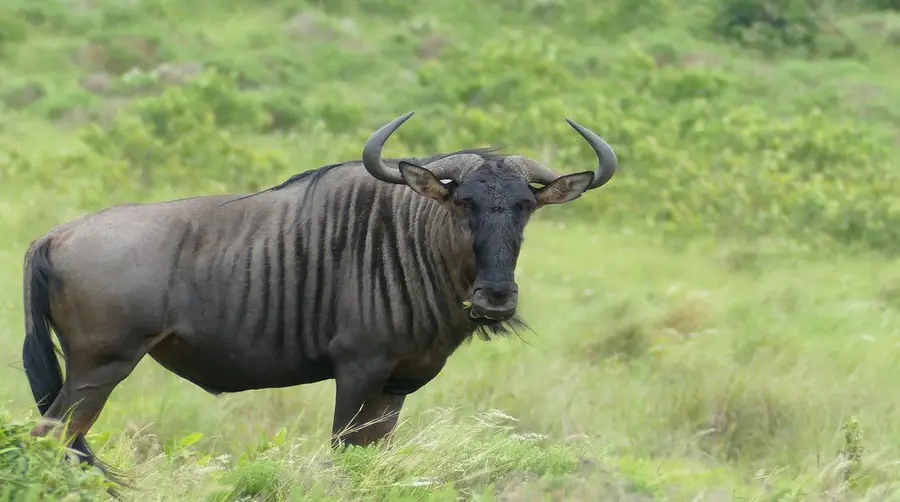
The Great Migration: A Complete Guide
Everything you need to know about the Great Migration: what it is, the year-round cycle, where to watch it and how to plan a migration safari that puts you with the herds.
The Great Migration is the year-round movement of around two million wildebeest, plains zebra and gazelle around the Serengeti–Mara ecosystem of Tanzania and Kenya, widely regarded as the greatest wildlife spectacle on Earth. Driven by rainfall and the flush of fresh grazing it brings, the herds trace a rough clockwise circuit through the year, trailed by lions, hyenas, cheetahs and crocodiles. Understanding that rhythm is the single best way to plan when and where to see it, because the migration is a moving target rather than a fixed event.
Key things to know
- It is a continuous, year-round cycle, not a single event you can miss or catch on one date.
- The herds follow the rains and fresh grazing in a broad clockwise loop across the Serengeti and Masai Mara.
- Dramatic river crossings usually peak between July and October in the north.
- Calving on the southern Serengeti short-grass plains peaks around late January and February.
- Predators shadow the herds year-round, so big-cat action is a constant feature.
- Exact timing shifts each year with the rains, so flexibility and local knowledge pay off.
References & further reading
- Thirgood, S., et al. (2004). Can parks protect migratory ungulates? The case of the Serengeti wildebeest. Animal Conservation, 7(2), 113-120.
- Holdo, R. M., Holt, R. D., & Fryxell, J. M. (2009). Opposing rainfall and plant nutritional gradients best explain the wildebeest migration in the Serengeti. The American Naturalist, 173(4), 431-445.
- Sinclair, A. R. E., et al. (Eds.) (2015). Serengeti IV. Chicago: University of Chicago Press.
Do it with SafariLingo
Take SafariLingo on safari: 500+ species, real animal calls, offline maps and sighting logs — all in your language, wherever you roam.
Get the appFrequently asked questions
When is the best time to see the Great Migration?
For the famous river crossings, aim for July to October in the northern Serengeti and the Masai Mara. For calving and intense predator action, visit the southern Serengeti and Ndutu in late January and February. Because timing tracks the rains, build a little flexibility into your dates.
Where does the Great Migration happen?
It circles through the Serengeti National Park in Tanzania and the Masai Mara National Reserve in Kenya, which together form one connected ecosystem. The herds spend most of the year in the vast Serengeti, moving into the Mara mainly for the northern crossings. Cross-border planning lets you follow them through the seasons.
How do I plan a safari around the Great Migration?
Start by deciding which phase you want — crossings, calving or the general movement — then choose your region and dates to match. Book camps positioned for that phase well in advance, as the best-placed ones sell out early. Mobile tented camps that move with the herds offer the most reliable access.
Related guides
 Destinations
 How Much Does a Namibia Safari Cost?
A realistic guide to safari costs in Namibia: budget, mid-range and luxury pricing, what drives the total and practical ways to save.
 Destinations
 What to Pack for a Safari in Uganda
A practical safari packing list for Uganda: clothing, gear, health items and what to leave at home for comfortable game drives and camp life.
Destinations Where to Go on Safari in July
The best safari destinations to visit in July: which African parks and countries offer great wildlife viewing at this time of year, and why.