
Family Safaris with Children
How to plan a family safari with children: choosing destinations, camps and activities, and keeping everyone safe and happy in the bush.
A safari can be an unforgettable family adventure, sparking a lifelong love of wildlife in children, provided the trip is planned with them in mind. The keys are choosing the right destination — often a malaria-free, family-friendly reserve — camps that welcome children, and a pace that keeps young ones engaged. Get the balance right and the whole family, from toddlers to grandparents, comes away with shared memories.
Key things to know
- Choose family-friendly, often malaria-free reserves for younger children.
- Look for camps with family units, flexible meals and child-focused activities.
- Keep game drives shorter and mix in walks, pools and other activities.
- Check minimum-age rules for drives, walking safaris and other activities.
- Involve kids with binoculars, checklists and their own simple camera.
- Brief children clearly on the safety rules around wildlife and camp.
Safari with children
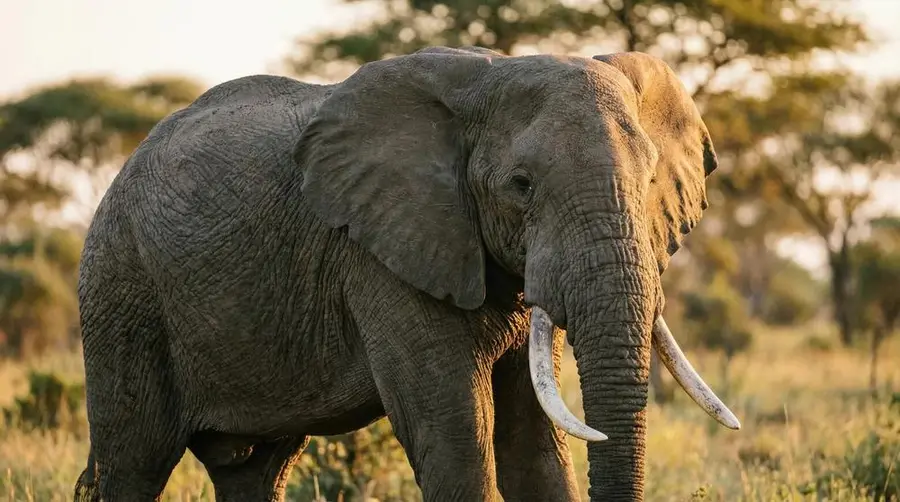
A family safari can be one of the richest trips you ever take together, sparking a lifelong love of wildlife in children who watch elephants and lions with their own eyes. The key is choosing family-friendly camps and a pace that suits young travellers — shorter drives, interactive guiding, a pool for the midday heat and flexibility when attention spans fade.
Many lodges welcome families warmly, with dedicated kids' programmes, junior-ranger activities and interconnecting rooms. Check minimum-age policies, especially for walking and some private reserves, and be honest about what your children will enjoy so you build a trip that works for everyone.
- Choose family-friendly camps with kids' programmes
- Keep drives shorter and the pace relaxed
- Check minimum-age rules for walks and some activities
- Build in downtime — a pool and rest beat an over-packed day
Keeping it safe, fun and educational
Safety around wildlife is the first priority: children must understand from the outset that they stay seated in the vehicle, keep noise down and follow the guide absolutely. A good guide is worth their weight in gold with kids, turning every sighting into a story and every quiet stretch into a game of tracks, birds and bush signs.
Keep them engaged with binoculars, a checklist or a field-guide app to spot and identify animals themselves, and manage the practicalities — sun protection, snacks, water and any medication. Consider malaria-free destinations for very young children, and remember that a happy, well-rested child sees far more than an exhausted one.
References & further reading
- Sinclair, A. R. E., et al. (Eds.) (2015). Serengeti IV. Chicago: University of Chicago Press.
- Estes, R. D. (2012). The Behavior Guide to African Mammals. Berkeley: University of California Press.
- Kingdon, J. (2015). The Kingdon Field Guide to African Mammals (2nd ed.). London: Bloomsbury.
- IUCN (2024). The IUCN Red List of Threatened Species, Version 2024-1. www.iucnredlist.org.
Do it with SafariLingo
Take SafariLingo on safari: 500+ species, real animal calls, offline maps and sighting logs — all in your language, wherever you roam.
Get the appFrequently asked questions
What age is best for a first family safari?
Many families find ages six and up work well, when children can follow safety rules and stay engaged on drives. That said, plenty of family-focused, malaria-free lodges cater beautifully to younger children too. Choose the destination and camp style to match your children's ages.
Is a safari safe for children?
With the right destination, a reputable operator and clear safety rules, safaris are very safe for children. Choose malaria-free areas for young ones, follow all guide instructions, and keep a close eye on kids around camp. Family-focused camps are set up specifically with children's safety in mind.
How do I keep children engaged on safari?
Keep drives shorter, give each child binoculars and a checklist, and mix game viewing with walks, swimming and cultural activities. Many camps run junior-ranger programmes that make learning fun. Involving them in spotting and identifying animals turns them into enthusiastic participants.
Related guides
 Planning & Tips
 How to Choose a Safari Destination
How to choose the right African safari destination for you: matching countries and parks to the wildlife you want to see, your travel season, your budget and your travel style, with clear decision rules to shortlist fast.
 Planning & Tips
 Tipping on Safari: A Practical Guide
A clear, practical guide to safari tipping etiquette: who to tip, when to tip, suitable currencies, budgeting, envelopes, communal boxes and respectful thank-you habits.
 Planning & Tips
 Safari with Young Children
A practical, guide-level plan for safari with young children: choosing the right destination and season, family-friendly camps, age rules, health considerations, safety routines and ways to keep kids engaged.