
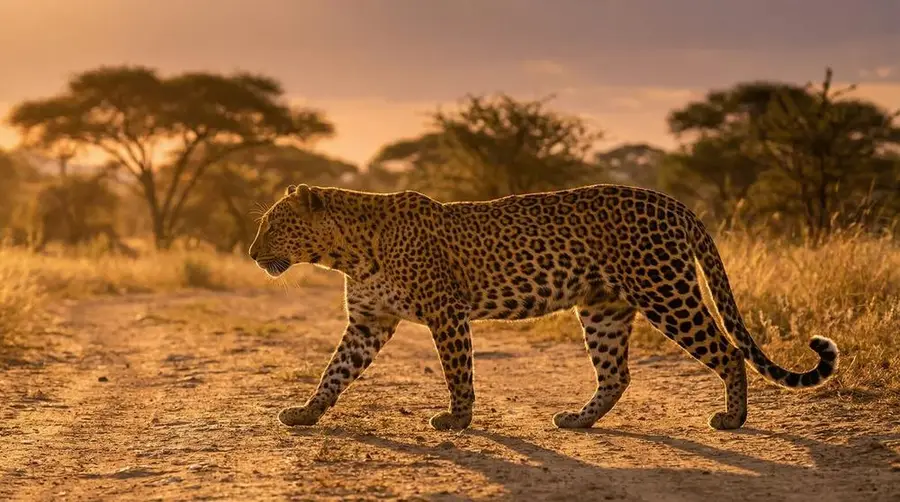
Best Time to Visit Sabi Sand Game Reserve
When to go on safari in Sabi Sand Game Reserve, South Africa: the best months for wildlife, the difference between the dry and green seasons, and what to expect at each time of year.
Timing shapes a safari more than almost any other decision. This guide explains when to visit Sabi Sand Game Reserve in South Africa for the strongest wildlife viewing, how the dry and green seasons differ, and what each part of the year feels like on the ground. With the right dates you will see more, spend wisely and travel in the conditions you prefer.
| Country | South Africa |
|---|---|
| Type | Private Reserve |
| Area | 650 km² |
| Established | 1934 |
| Main gateway | Johannesburg |
| Best months | May, June, July, August, and September |
The best months
For Sabi Sand Game Reserve, the prime wildlife months are May, June, July, August, and September, when animals concentrate and viewing is most dependable. This is also when the world's premier destination for leopard sightings is at its most rewarding. If you can travel then, book early, because the best camps and guides fill up fast in the peak window.
Dry season vs green season
In the dry months surface water shrinks, vegetation thins and wildlife gathers around the remaining rivers and waterholes, making animals far easier to find. The green season transforms the same landscape into lush, dramatic scenery, with newborn animals, migrant birds and superb photographic light — usually with fewer vehicles. Neither season is simply 'better'; they reward different priorities.
- Dry season: the most reliable game viewing, but busier camps and premium prices.
- Green season: fewer vehicles, dramatic skies, newborn animals and outstanding birding.
- Shoulder months often blend good sightings with better value and quieter roads.
- Water is the key: in dry months, sit patiently near it and let the wildlife come to you.
- Book peak dates months ahead — the best-located camps sell out first.
- Decide what you want to photograph: golden dust and concentrated herds, or green backdrops and moody skies.
Month-by-month at Sabi Sand Game Reserve
Conditions at Sabi Sand Game Reserve shift markedly through the year, and understanding that rhythm is the difference between a good trip and a great one. The core dry months bring the classic, reliable wildlife-viewing you picture — thin vegetation and animals crowding to water — while the green season rewards travellers who value dramatic skies, newborn animals and quieter roads.
The best months for game viewing here are May, June, July, August, and September. Book that peak window well in advance, but do not dismiss the shoulder weeks on either side: they often deliver very similar sightings for noticeably less money and with fewer vehicles at each sighting.
- Peak game-viewing months at Sabi Sand Game Reserve: May, June, July, August, and September
- Dry season: best density and visibility, higher prices, more vehicles
- Green season: lush scenery, newborns, birds and better value
- Shoulder weeks often blend the strengths of both
Weather and what to pack
Expect cold, dark morning game drives even near the equator, warming quickly once the sun is up. Layers, a windproof top and a warm hat make dawn departures comfortable, while afternoons call for sun protection, a hat and plenty of water.
In the green season, pack a light waterproof and be ready for short, heavy downpours that clear as fast as they arrive. Whatever the month, stick to neutral colours, keep a fleece within reach on every drive, and remember that the temperature swing between dawn and midday at Sabi Sand Game Reserve is often larger than first-time visitors expect.
Balancing crowds, cost and conditions
The very months that offer the best wildlife-viewing at Sabi Sand Game Reserve are also the busiest and priciest, so choosing when to go is a balance rather than a single right answer. If sightings are your priority and budget allows, travel in peak season and book early. If you value solitude, dramatic light and value for money, the green and shoulder seasons are quietly rewarding.
Whatever you choose, an early-morning start beats the crowds regardless of season: the first vehicles out have the roads, the light and the freshest sightings largely to themselves before the day warms and the tracks fill up.
References & further reading
- UNEP-WCMC & IUCN (2024). Protected Planet: The World Database on Protected Areas (WDPA).
- Sinclair, A. R. E., Metzger, K. L., Mduma, S. A. R., & Fryxell, J. M. (Eds.) (2015). Serengeti IV. Chicago: University of Chicago Press.
- Estes, R. D. (2012). The Behavior Guide to African Mammals. Berkeley: University of California Press.
- Briggs, P. (2021). East Africa Safari Guides. Chalfont St Peter: Bradt Travel Guides.
Do it with SafariLingo
Heading to Sabi Sand Game Reserve? Take SafariLingo with you to identify every species you meet, play its call, log sightings on an offline map and plan your days.
Get the appFrequently asked questions
What are the best months to visit Sabi Sand Game Reserve?
Aim for May, June, July, August, and September for the strongest, most reliable wildlife viewing in Sabi Sand Game Reserve. These months typically combine good animal concentrations with favourable conditions. Book early, as they are also the busiest and priciest.
Is the green season worth it in Sabi Sand Game Reserve?
Yes, if your priorities are scenery, birds, newborn animals and value. Vegetation is thicker so some sightings take more work, but you trade that for dramatic light, lower prices and far fewer vehicles. Many photographers actively prefer it.
How far ahead should I book for Sabi Sand Game Reserve?
For the peak months of May, June, July, August, and September, six to twelve months ahead is wise, especially for small or well-known camps. Last-minute space does appear, but rarely at the best lodges. Green-season travel gives you more flexibility and better rates.
Related guides
 National Parks
 Best Time to Visit Masai Mara National Reserve
When to go on safari in Masai Mara National Reserve, Kenya: the best months for wildlife, the difference between the dry and green seasons, and what to expect at each time of year.
National Parks Best Time to Visit Ruaha National Park
When to go on safari in Ruaha National Park, Tanzania: the best months for wildlife, the difference between the dry and green seasons, and what to expect at each time of year.
 National Parks
 Best Time to Visit Moremi Game Reserve
When to go on safari in Moremi Game Reserve, Botswana: the best months for wildlife, the difference between the dry and green seasons, and what to expect at each time of year.