
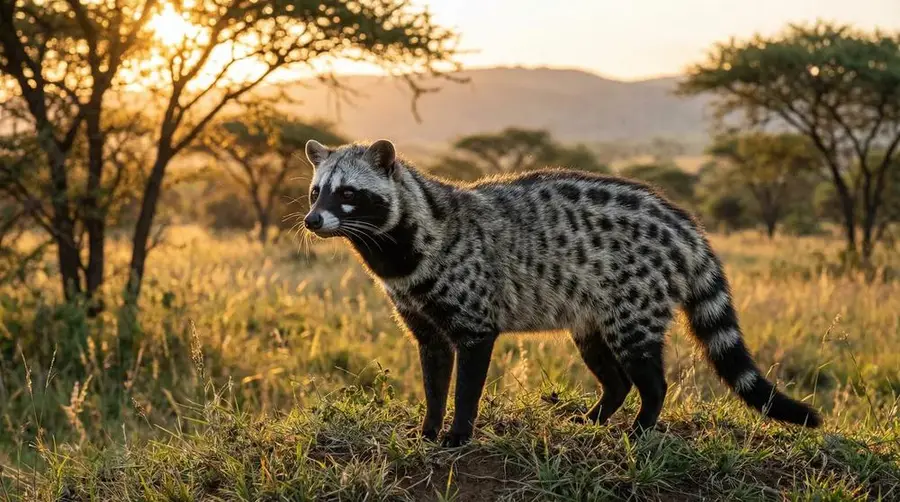
Best Places to See the African Civet in Africa
The best national parks and reserves to see the African Civet on safari, the ideal time of year, and expert tips for finding this species where its range and habitat overlap with strong protection.
Want to see a African Civet in the wild rather than just hope for luck? The best destinations are the places where this species' preferred habitat, food and range line up with strong, well-managed protection. This guide points you to those overlaps and explains what gives you the highest-quality sightings, not just a fleeting glimpse.
| Scientific name | Civettictis civetta |
|---|---|
| Conservation status | Least Concern |
| Category | Mammals |
| Habitat | Savanna, shrubland, forest edges, river valleys |
Want to see a African Civet in the wild rather than just hope for luck? The best destinations are the places where this species' preferred habitat, food and range line up with strong, well-managed protection. This guide points you to those overlaps and explains what gives you the highest-quality sightings, not just a fleeting glimpse.
Natural range
In the wild the African Civet occurs across Distributed widely in sub-Saharan Africa, including Kenya and Maasai Mara National Reserve, though it is far from evenly spread within that area. It favours Savanna, shrubland, forest edges, river valleys, and it is in that specific habitat — with reliable food and water — that your search should focus. Understanding this preference is the difference between driving hopefully and knowing where to look.
Top parks to see the African Civet
This species ranges widely and is not tied to a single flagship park. Concentrate your search on well-protected areas that contain plenty of Savanna, shrubland, forest edges, river valleys within its natural range, and favour reserves with low vehicle pressure and skilled guides. Local knowledge of recent movements matters more than any single 'best' location.
Where the range and protection overlap
The African Civet occurs across Distributed widely in sub-Saharan Africa, including Kenya and Maasai Mara National Reserve, but a range map only tells you where the species can be, not where you will actually see it well. The richest sightings come where prime habitat — Savanna, shrubland, forest edges, river valleys — overlaps with strong, well-funded protection and low human pressure.
That is why two reserves inside the same range can offer wildly different experiences. Favour parks and conservancies with active management, experienced guiding teams and sensible vehicle limits. A smaller, well-run reserve where guides know the individual animals often beats a vast, crowded one for close, calm encounters with the African Civet.
Timing and seasonality
Season shapes your odds as much as location. In most regions the dry months concentrate wildlife around shrinking water and thin the vegetation, making the African Civet far easier to find; the green season brings lush scenery, newborn animals and better value but tougher visibility.
Because the timing of the rains shifts a little each year and varies by region, treat published calendars as a guide rather than gospel. Ask locally about recent conditions before you commit, and remember that the African Civet is most active Primarily nocturnal, active frequently at dusk and night — aligning your drives with those hours matters as much as picking the right month.
- Dry season: thin cover and animals near water — usually easiest viewing
- Green season: harder to spot but lush, quiet and often better value
- Check recent local conditions; the rains shift year to year
References & further reading
- Kingdon, J. (2015). The Kingdon Field Guide to African Mammals (2nd ed.). London: Bloomsbury.
- IUCN (2024). The IUCN Red List of Threatened Species, Version 2024-1. www.iucnredlist.org.
- Estes, R. D. (2012). The Behavior Guide to African Mammals. Berkeley: University of California Press.
- Stuart, C., & Stuart, M. (2015). Stuarts' Field Guide to Larger Mammals of Africa. Cape Town: Struik Nature.
Do it with SafariLingo
Identify the African Civet instantly in the field — SafariLingo plays its call, shows full facts and works completely offline, even with no signal.
Get the appFrequently asked questions
Which country is best for seeing the African Civet?
Rather than a single country, target the parks and reserves that protect large tracts of Savanna, shrubland, forest edges, river valleys — the habitat this species depends on — within its range across Distributed widely in sub-Saharan Africa, including Kenya and Maasai Mara National Reserve. Reserves with active conservation programmes and experienced guiding tend to offer the most reliable and responsible sightings.
What time of year is best to see the African Civet?
In most regions the dry season concentrates wildlife around shrinking water and thins the vegetation, making the African Civet easier to spot. The green season can be harder for visibility but rewards you with lush scenery and young animals. Ask locally, because timing shifts with each area's rains.
Do I need a guide to find the African Civet?
You can be lucky on a self-drive, but a knowledgeable local guide dramatically raises your odds. Guides track fresh signs, know where individuals have been seen recently and understand the animal's daily rhythm. Their expertise turns a possible sighting into a probable one.
Related guides
 Wildlife
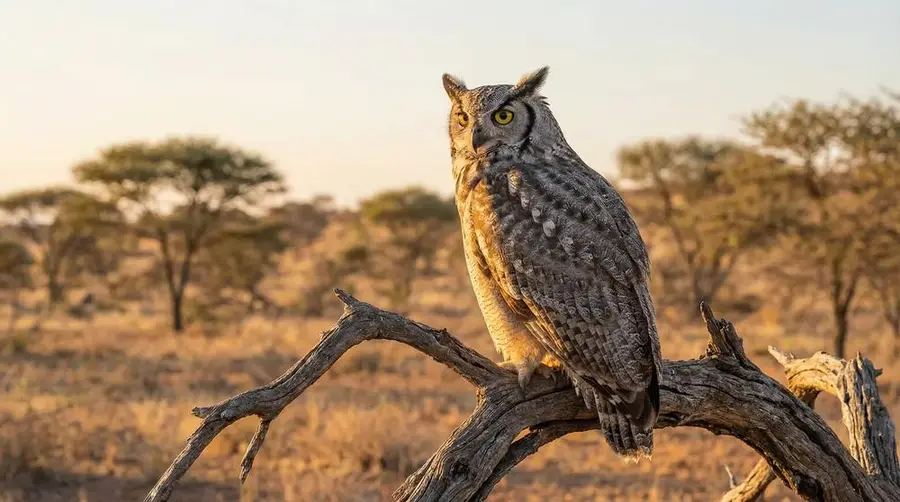
 How to Spot the Verreaux's Eagle Owl on an African Safari
A field guide to finding the Verreaux's Eagle Owl (Bubo lacteus) on safari: the habitats it favours, the hours it is most active, the field marks that give it away, and the tracking craft experienced guides use to locate it.
 Wildlife
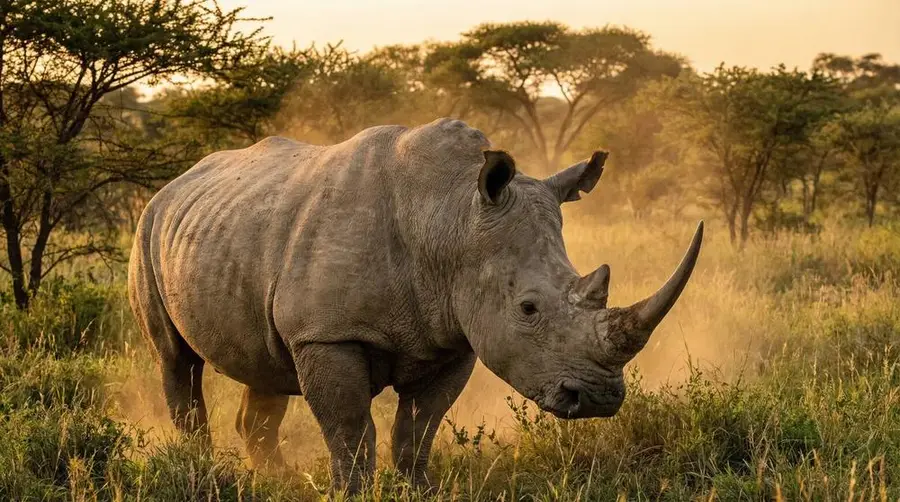
 How to Spot the White Rhinoceros on an African Safari
A field guide to finding the White Rhinoceros (Ceratotherium simum) on safari: the habitats it favours, the hours it is most active, the field marks that give it away, and the tracking craft experienced guides use to locate it.
 Wildlife
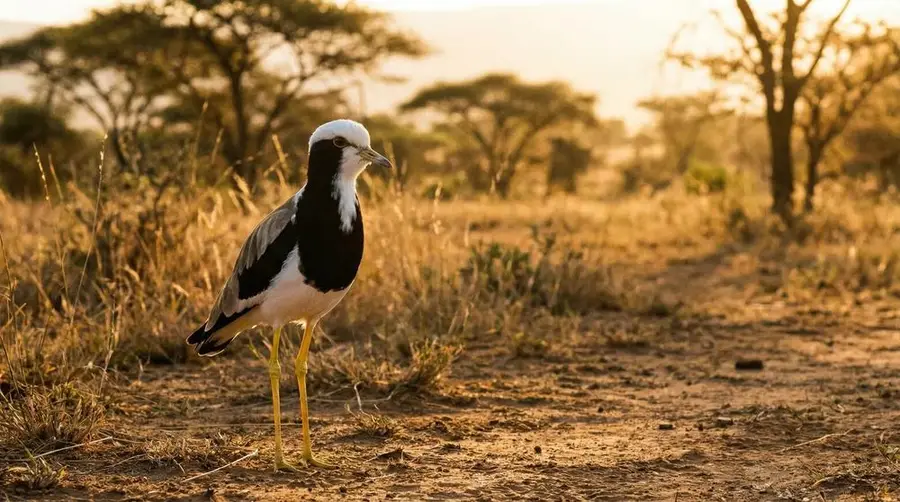
 How to Spot the White-headed Lapwing on an African Safari
A field guide to finding the White-headed Lapwing (Vanellus albiceps) on safari: the habitats it favours, the hours it is most active, the field marks that give it away, and the tracking craft experienced guides use to locate it.