
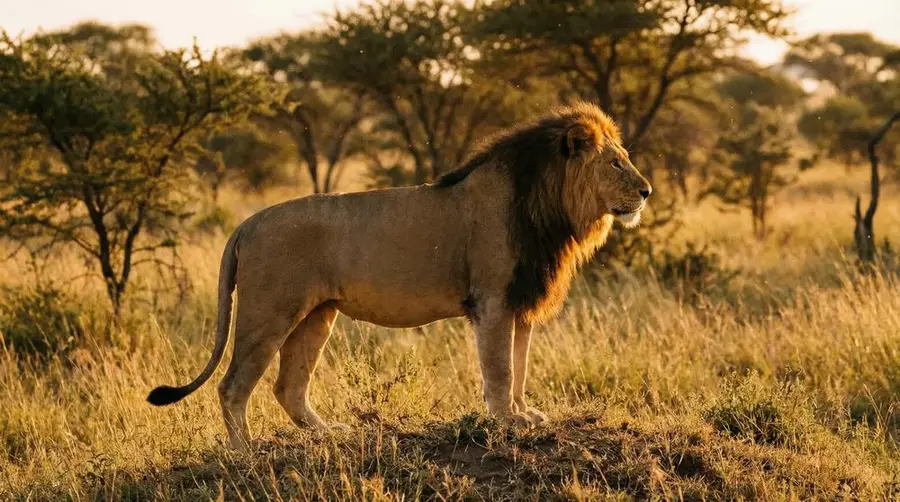
Africa's Water-Loving Wildlife
A guide to Africa's water-loving wildlife — hippos, crocodiles, waterbuck and the birds of rivers, lakes and wetlands.
Rivers, lakes, deltas and wetlands are magnets for wildlife, drawing everything from hippos and crocodiles to elephants, antelope and a spectacular cast of waterbirds. Boat trips, mokoro canoes and waterhole hides reveal a whole community of animals that a land-based drive can miss. Watching wildlife from and around water offers a peaceful, low-angle perspective and some of the safari's most memorable moments.
The species
 LC
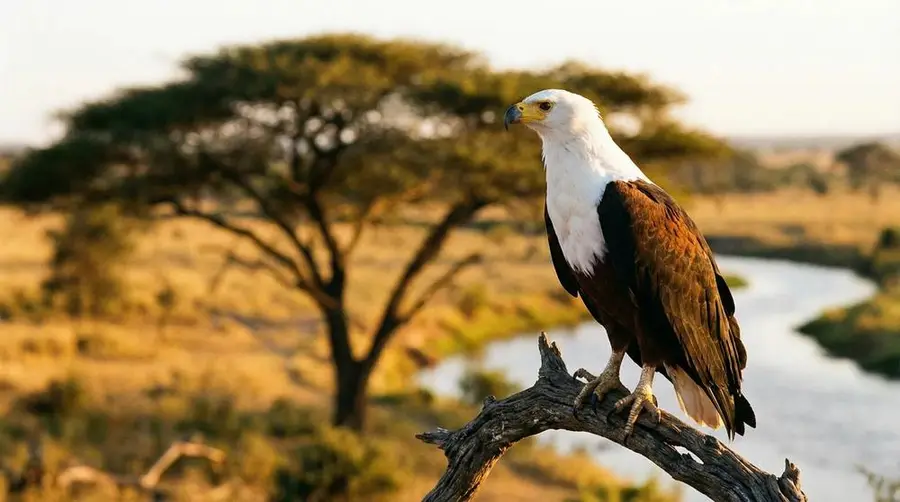
LC African Fish Eagle
Haliaeetus vocifer
 LC
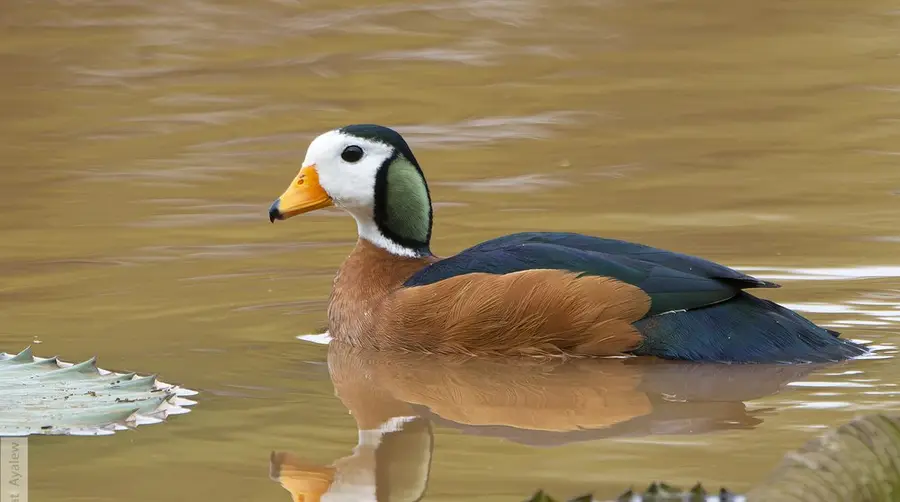
LC African Pygmy Goose
Nettapus auritus
 LC
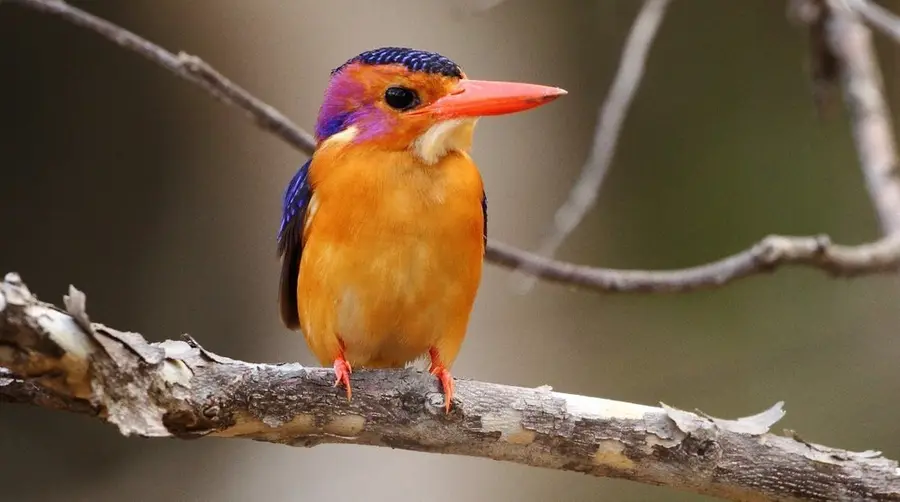
LC African Pygmy Kingfisher
Ispidina picta
 LC
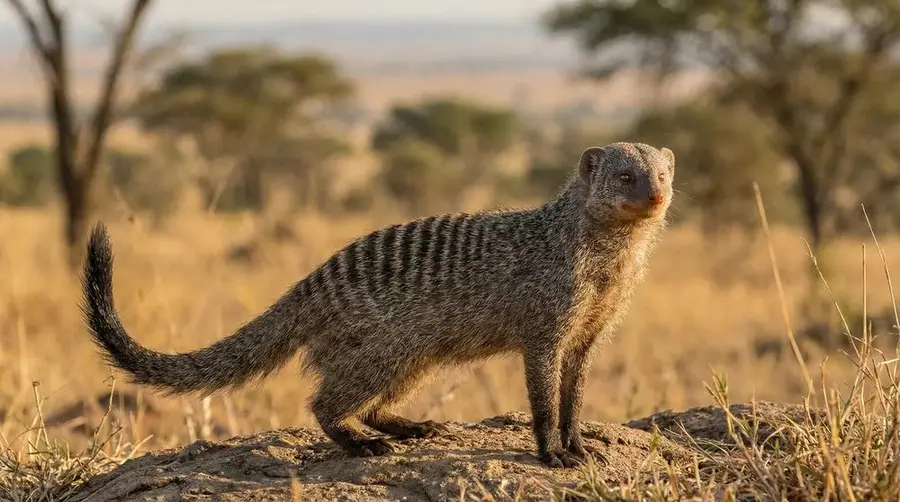
LC Banded Mongoose
Mungos mungo
 LC
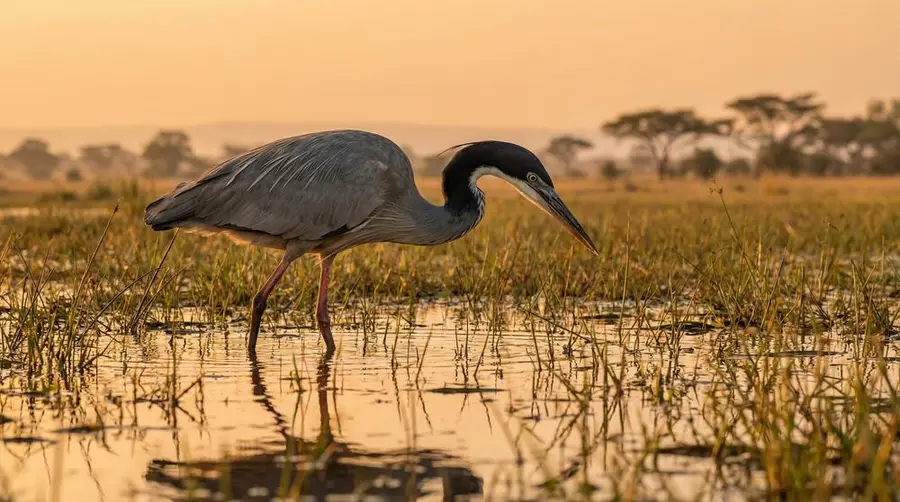
LC Black-headed Heron
Ardea melanocephala
 LC
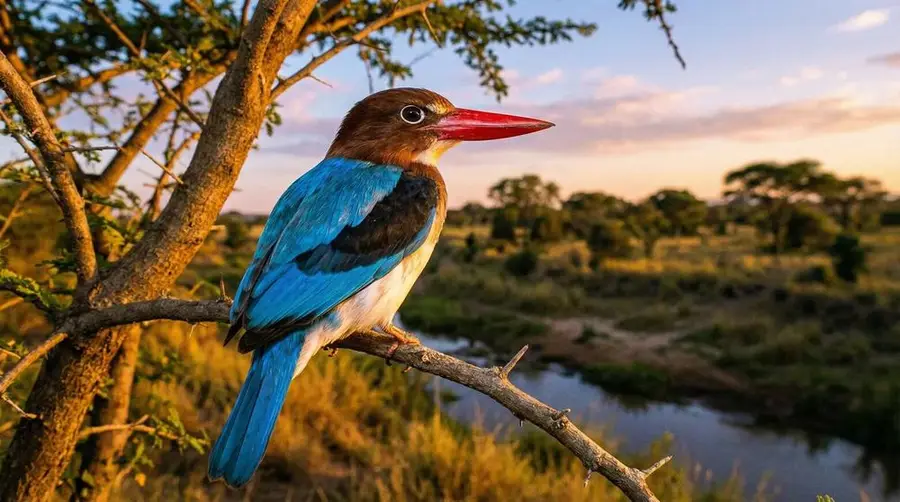
LC Brown-hooded Kingfisher
Halcyon albiventris
 NT
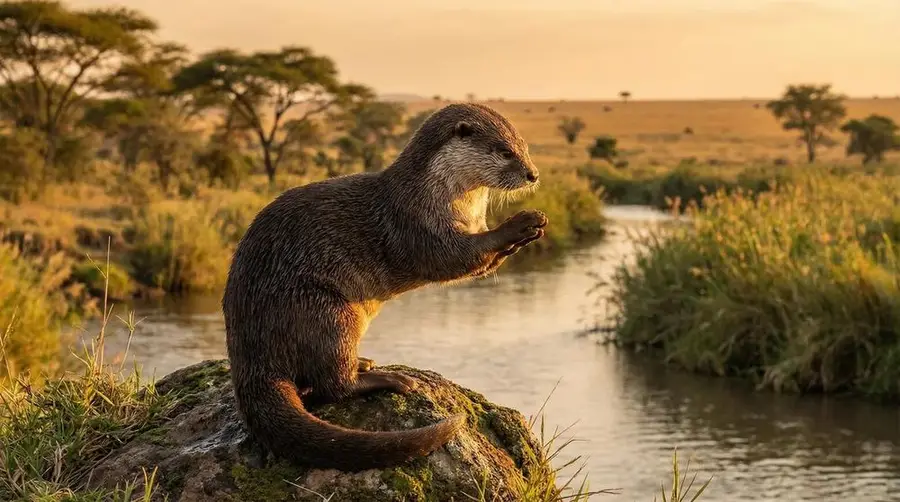
NT Cape Clawless Otter
Aonyx capensis
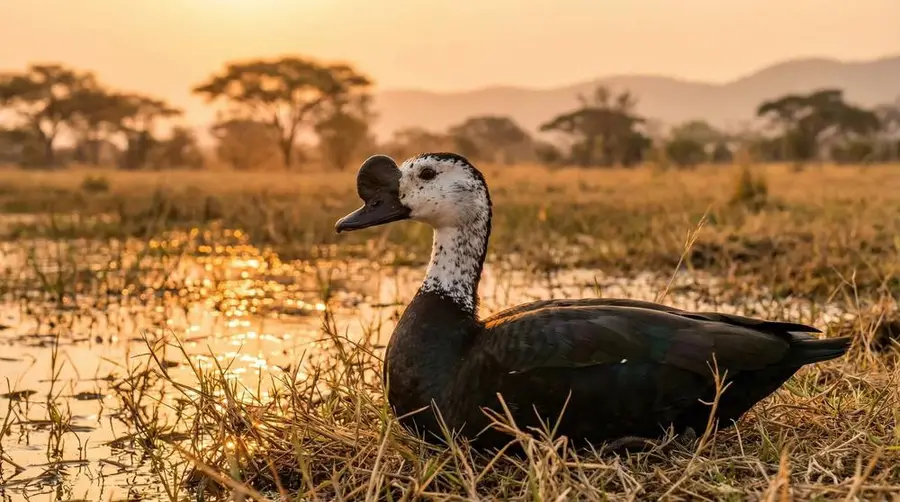 LC
LC Comb Duck
Sarkidiornis melanotos
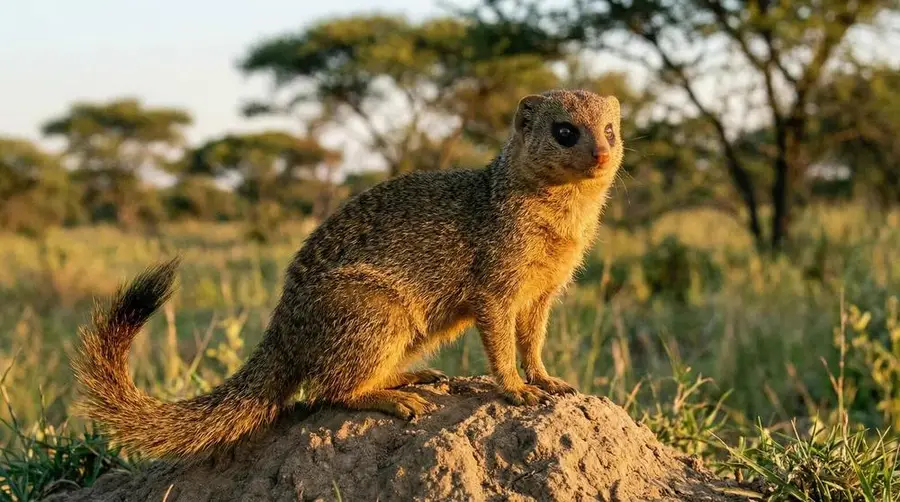 LC
LC Common Dwarf Mongoose
Helogale parvula
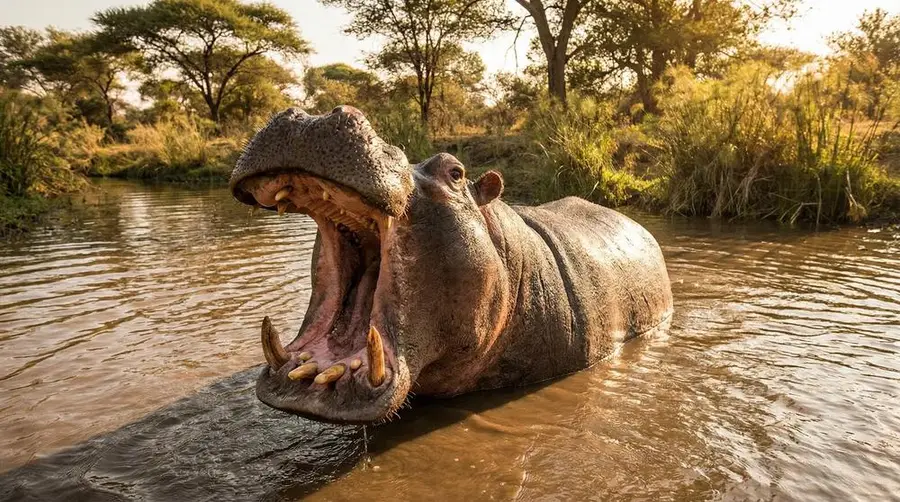 VU
VU Common Hippopotamus
Hippopotamus amphibius
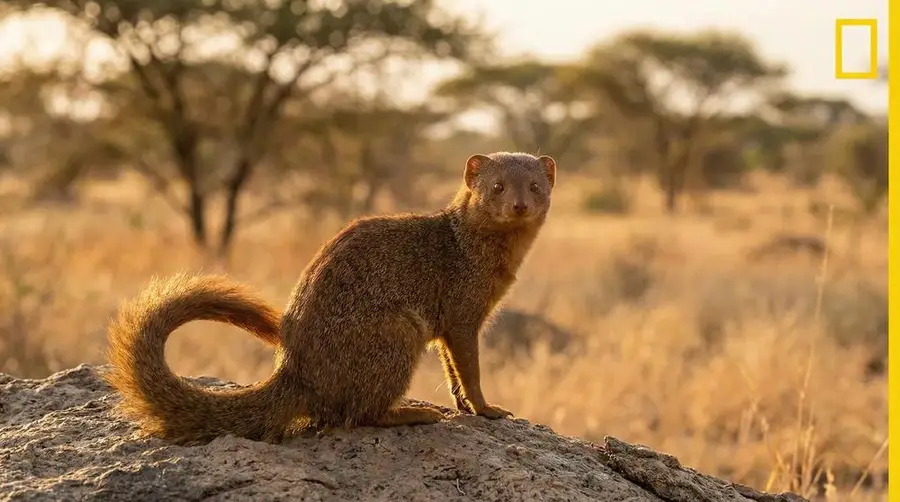 LC
LC Common Slender Mongoose
Herpestes sanguineus
 LC
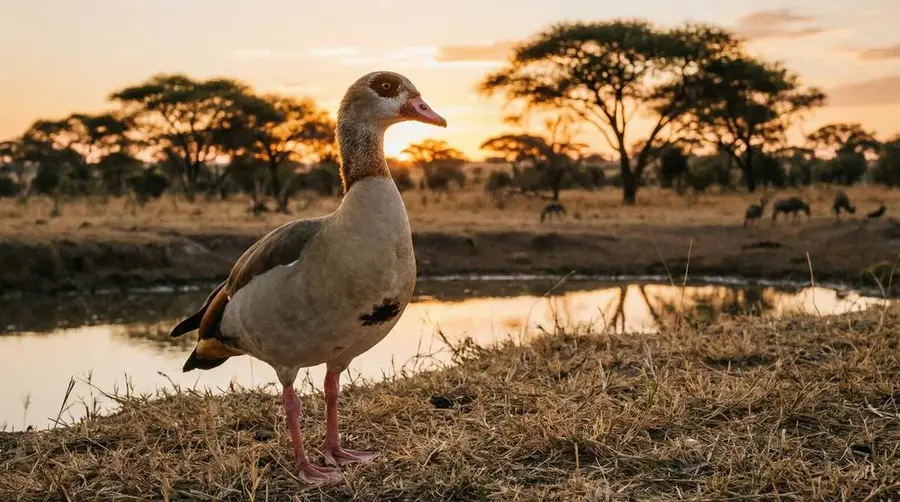
LC Egyptian Goose
Alopochen aegyptiaca
Where to see them
Look for these species in the national parks and reserves that protect their preferred habitats across Africa, and remember that each has its own favoured landscape and rhythm. The dry season generally makes them easier to find, as wildlife concentrates around water and cover thins out. A knowledgeable local guide who knows recent movements will dramatically improve your sightings.
Life at the water's edge
Water is the great magnet of the African landscape, and its margins concentrate life like nowhere else. Hippos and crocodiles command the rivers and pools, while a supporting cast of waterbuck, lechwe, otters, fish eagles, kingfishers, herons and storks crowds the banks and shallows. As the dry season bites, these waterlines become the stage for the bush's most dramatic scenes.
A river, lake or delta rewards patient watching. Sit quietly at a good spot and the traffic comes to you — animals arriving to drink, predators watching for their chance, and the constant activity of birds working the edges.
Watching water wildlife safely
Water attracts danger as well as life. Hippos, responsible for more human deaths than most large animals, and crocodiles both demand respect: never get between a hippo and the water, keep well back from the banks, and follow your guide's rules absolutely around any waterline.
Water also opens up wonderful ways to explore, from boat cruises and mokoro trips to fixed hides overlooking a waterhole. These offer a low, intimate perspective and superb photography, but the same caution applies — stay seated, keep still and let the guide manage the distance. Handled well, the water's edge delivers some of the safari's richest and most peaceful hours.
- Never come between a hippo and its escape route to water
- Keep well back from riverbanks where crocodiles lurk
- Boat and mokoro trips offer a superb low perspective
- Waterhole hides reward quiet, patient watching
References & further reading
- Sinclair, A. R. E., et al. (Eds.) (2015). Serengeti IV. Chicago: University of Chicago Press.
- Estes, R. D. (2012). The Behavior Guide to African Mammals. Berkeley: University of California Press.
- Kingdon, J. (2015). The Kingdon Field Guide to African Mammals (2nd ed.). London: Bloomsbury.
- IUCN (2024). The IUCN Red List of Threatened Species, Version 2024-1. www.iucnredlist.org.
Do it with SafariLingo
Take SafariLingo on safari: 500+ species, real animal calls, offline maps and sighting logs — all in your language, wherever you roam.
Get the appFrequently asked questions
How can I identify these animals on safari?
Use a good field guide or the SafariLingo app to compare size, markings, habitat and behaviour side by side. Note the key field marks and the company an animal keeps, as both narrow the identification quickly. Your guide can confirm tricky sightings and point out subtle differences between look-alikes.
When is the best time to see them?
For most species the dry season is easiest, when animals gather around shrinking water and the thinner vegetation improves visibility. The green season can be harder for spotting but rewards you with young animals and rich birdlife. Early mornings and late afternoons are the most productive hours whatever the season.
Do I need a guide to find them?
You can spot many of these species on your own, but an experienced guide transforms the experience. Guides read tracks and alarm calls, know where animals have been seen recently and understand their daily rhythms. Their local knowledge turns hopeful searching into reliable sightings.
Related guides
 Wildlife
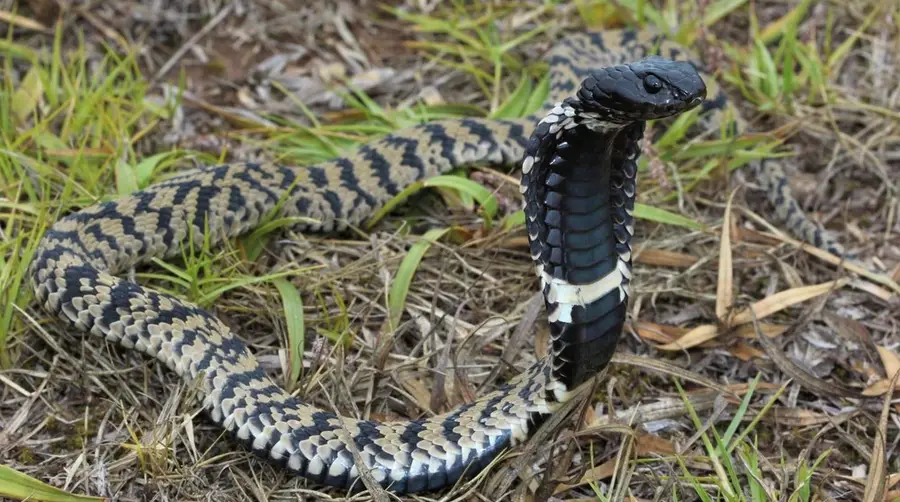
 How to Spot the Rinkhals on an African Safari
A field guide to finding the Rinkhals (Hemachatus haemachatus) on safari: the habitats it favours, the hours it is most active, the field marks that give it away, and the tracking craft experienced guides use to locate it.
 Wildlife
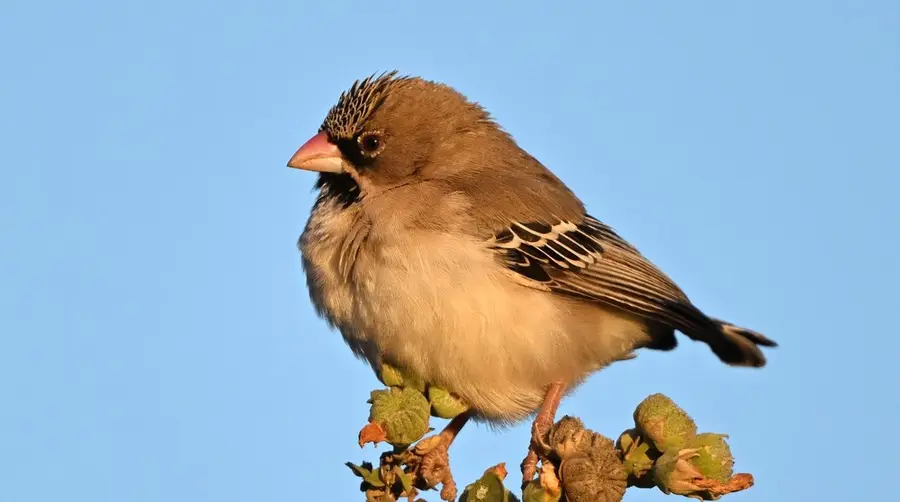
 How to Spot the Scaly-feathered Weaver on an African Safari
A field guide to finding the Scaly-feathered Weaver (Sporopipes squamifrons) on safari: the habitats it favours, the hours it is most active, the field marks that give it away, and the tracking craft experienced guides use to locate it.
 Wildlife
 How to Spot the Silverbird on an African Safari
A field guide to finding the Silverbird (Empidornis semipartitus) on safari: the habitats it favours, the hours it is most active, the field marks that give it away, and the tracking craft experienced guides use to locate it.