
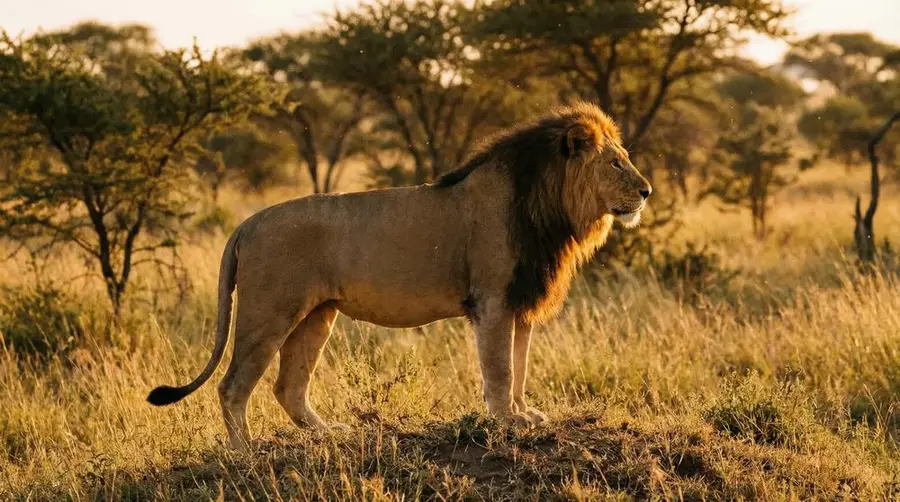
Africa's Nocturnal Animals
Discover Africa's nocturnal wildlife and how night drives reveal the secretive creatures you will never see by day.
As the sun sets, a completely different cast of animals emerges from the shadows, and the bush takes on a new life of eye-shine and unfamiliar calls. Night drives and quiet evenings reveal Africa's secretive nocturnal wildlife — genets, civets, bushbabies, aardvarks and hunting cats that vanish by daylight. Experiencing the bush after dark is one of the most atmospheric and underrated parts of any safari.
The species
 LC
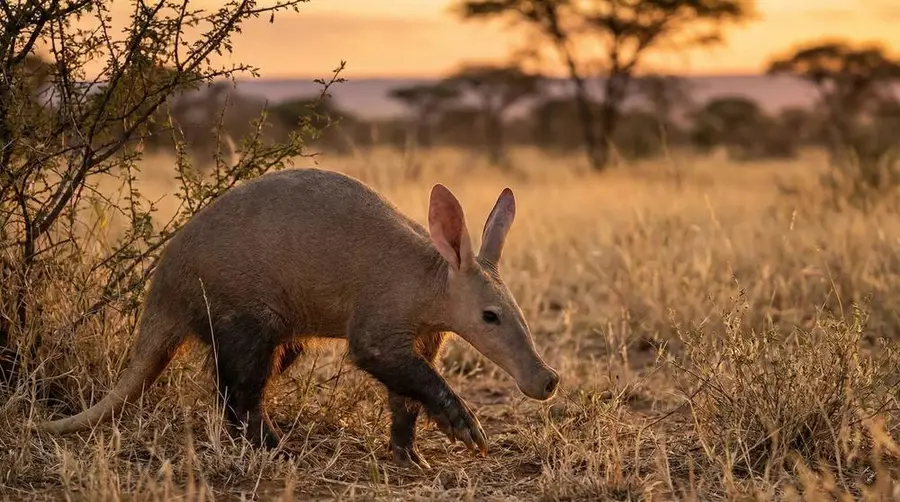
LC Aardvark
Orycteropus afer
 LC
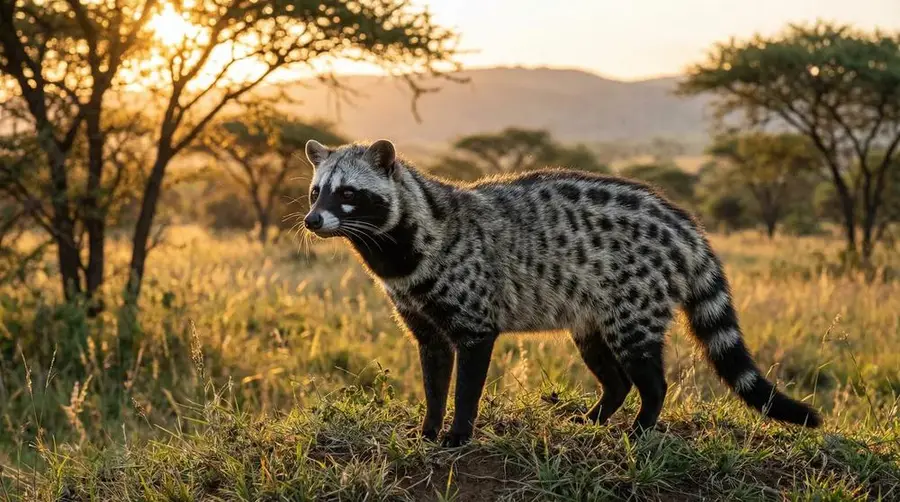
LC African Civet
Civettictis civetta
 LC
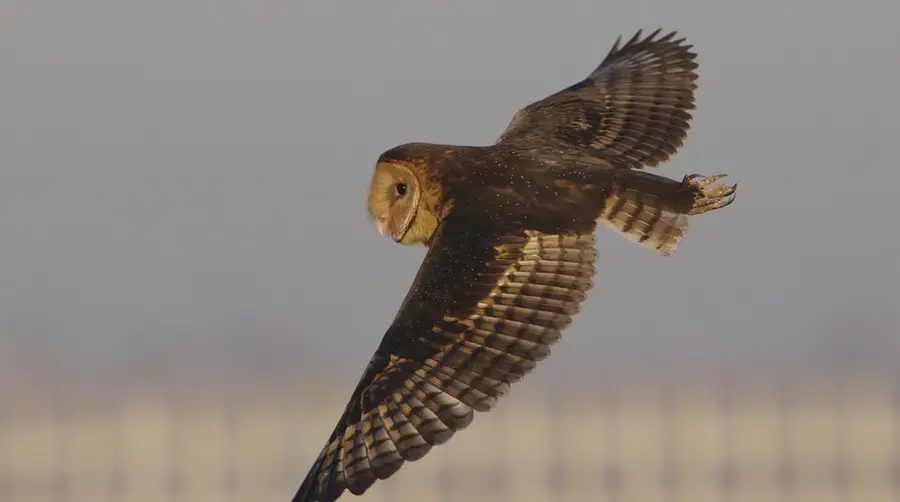
LC African Grass Owl
Tyto capensis
 LC
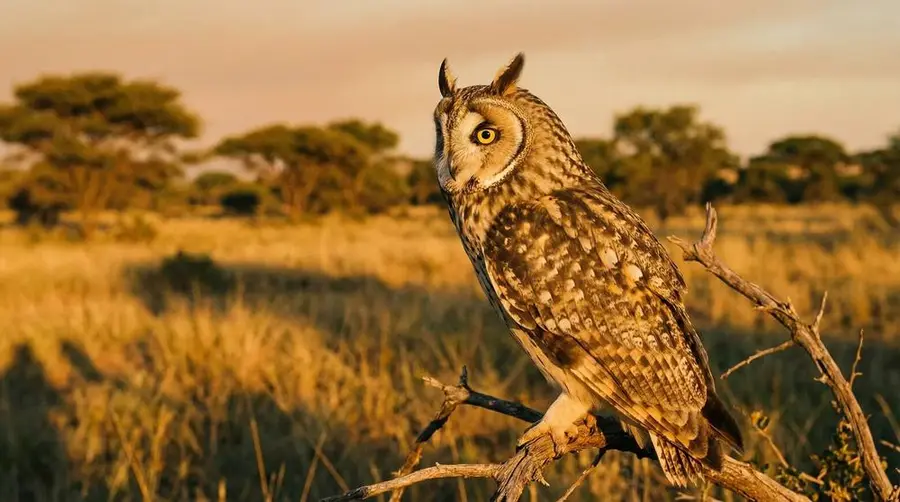
LC African Marsh Owl
Asio capensis
 LC
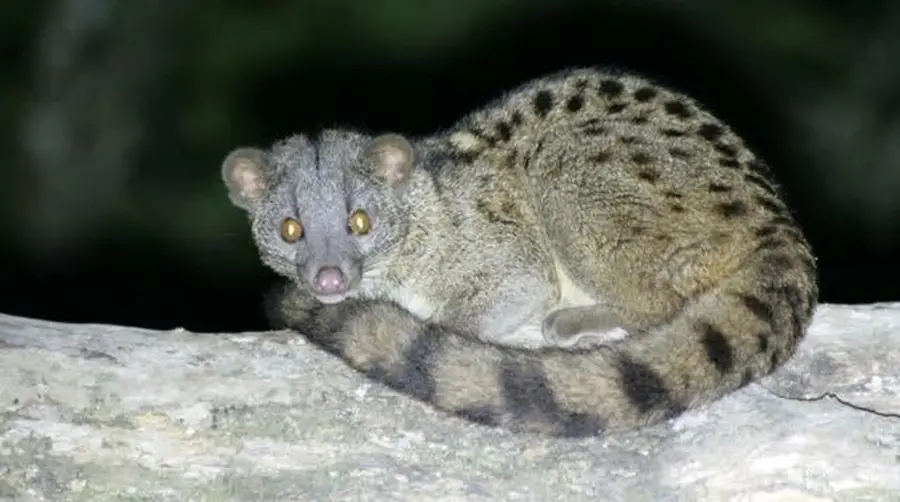
LC African Palm Civet
Nandinia binotata
 LC
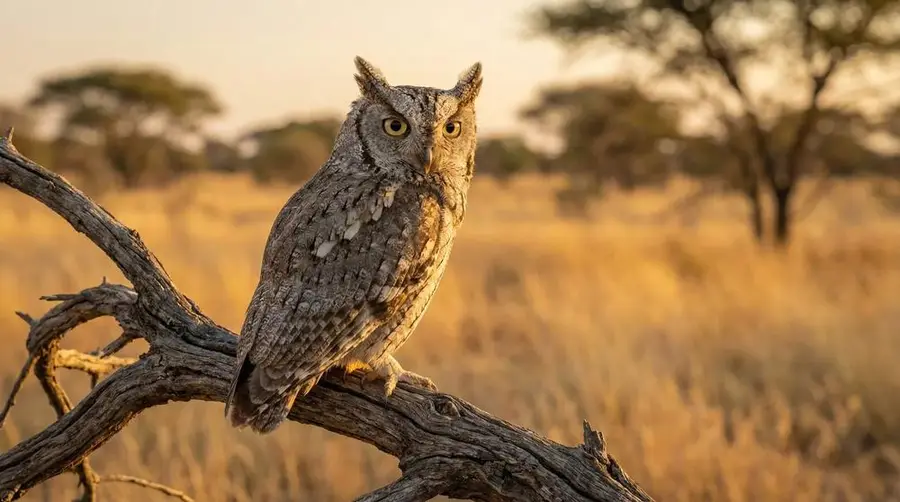
LC African Scops-owl
Otus senegalensis
 LC
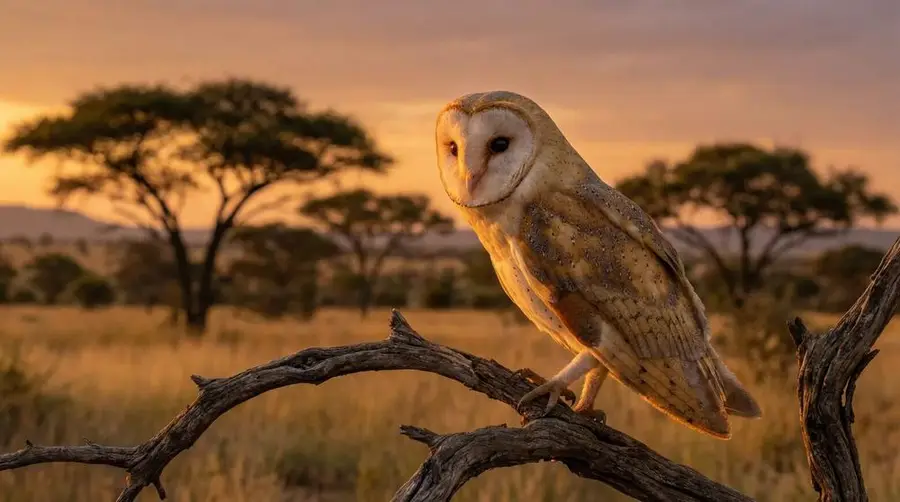
LC Barn-owl
Tyto alba
 NT
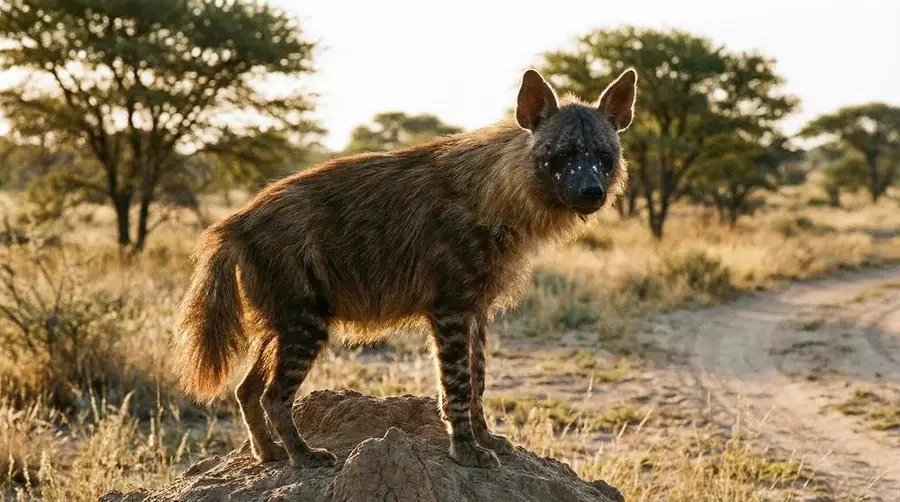
NT Brown Hyena
Parahyaena brunnea
 LC
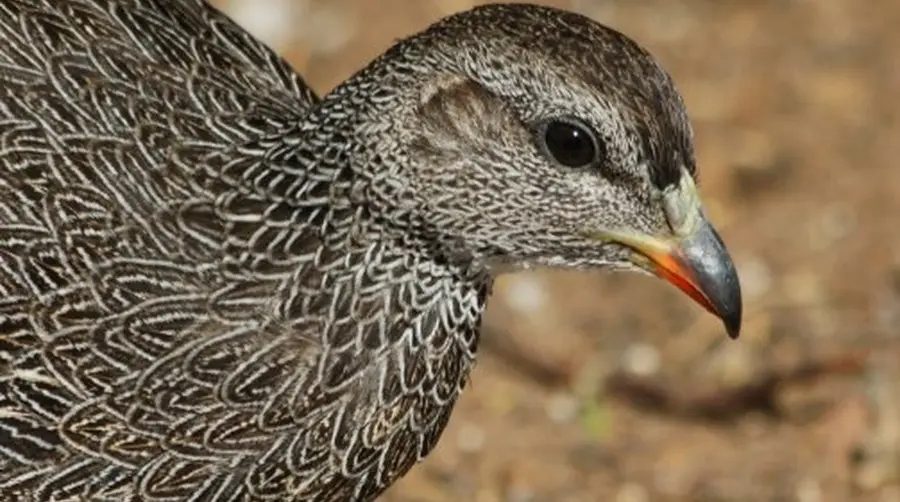
LC Cape Spurfowl
Pternistis capensis
 LC
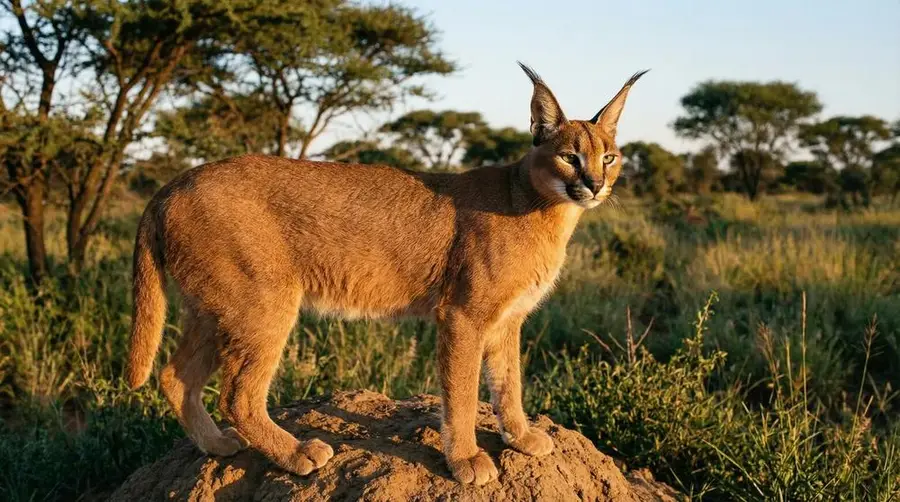
LC Caracal
Caracal caracal
 LC
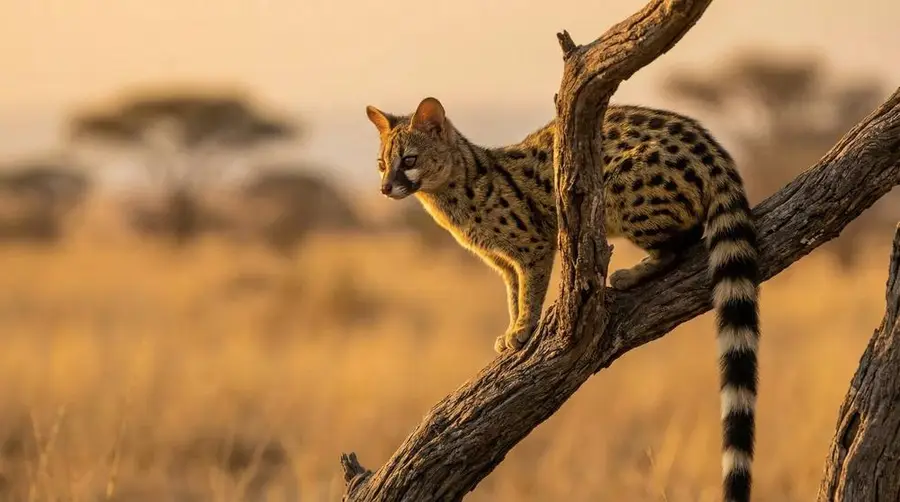
LC Common Genet
Genetta genetta
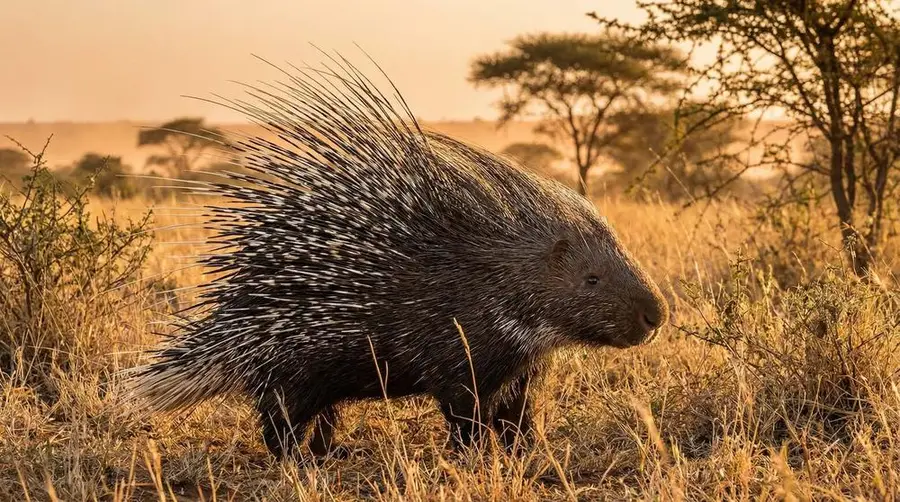 LC
LC Crested Porcupine
Hystrix cristata
Where to see them
Look for these species in the national parks and reserves that protect their preferred habitats across Africa, and remember that each has its own favoured landscape and rhythm. The dry season generally makes them easier to find, as wildlife concentrates around water and cover thins out. A knowledgeable local guide who knows recent movements will dramatically improve your sightings.
The other half of the safari
When the sun sets, an entirely different cast takes over the African bush. Genets, civets, servals, bushbabies, aardvarks, porcupines, owls and nightjars — many of them rarely if ever seen by day — emerge to feed, hunt and move through the dark. Even the familiar big cats become far more active once the heat has gone.
Most travellers experience only the daylight shift and go home with half the story. Making the effort to get out after dark, where it is permitted, opens up a secretive world and often delivers a safari's most surprising and memorable encounters.
How to see nocturnal wildlife
The classic tool is the night drive, offered by many private reserves and conservancies (though restricted inside some national parks), where a guide sweeps a spotlight to pick up the eye-shine of animals in the dark. A red filter is kinder to the animals' eyes and to your night vision, and a good spotter can turn two glowing dots into a positive identification.
Even without a drive, dusk and dawn are productive edges when nocturnal and daytime worlds overlap, and listening from camp after dark — to calls, rustles and distant roars — is a safari pleasure in itself. Move quietly, keep lights low and let the night reveal itself.
- Take a night drive where reserves permit it
- Look for eye-shine and use a red-filtered light
- Work dusk and dawn, when night and day overlap
- Listen from camp — calls and rustles tell the night's story
References & further reading
- Sinclair, A. R. E., et al. (Eds.) (2015). Serengeti IV. Chicago: University of Chicago Press.
- Estes, R. D. (2012). The Behavior Guide to African Mammals. Berkeley: University of California Press.
- Kingdon, J. (2015). The Kingdon Field Guide to African Mammals (2nd ed.). London: Bloomsbury.
- IUCN (2024). The IUCN Red List of Threatened Species, Version 2024-1. www.iucnredlist.org.
Do it with SafariLingo
Take SafariLingo on safari: 500+ species, real animal calls, offline maps and sighting logs — all in your language, wherever you roam.
Get the appFrequently asked questions
How can I identify these animals on safari?
Use a good field guide or the SafariLingo app to compare size, markings, habitat and behaviour side by side. Note the key field marks and the company an animal keeps, as both narrow the identification quickly. Your guide can confirm tricky sightings and point out subtle differences between look-alikes.
When is the best time to see them?
For most species the dry season is easiest, when animals gather around shrinking water and the thinner vegetation improves visibility. The green season can be harder for spotting but rewards you with young animals and rich birdlife. Early mornings and late afternoons are the most productive hours whatever the season.
Do I need a guide to find them?
You can spot many of these species on your own, but an experienced guide transforms the experience. Guides read tracks and alarm calls, know where animals have been seen recently and understand their daily rhythms. Their local knowledge turns hopeful searching into reliable sightings.
Related guides
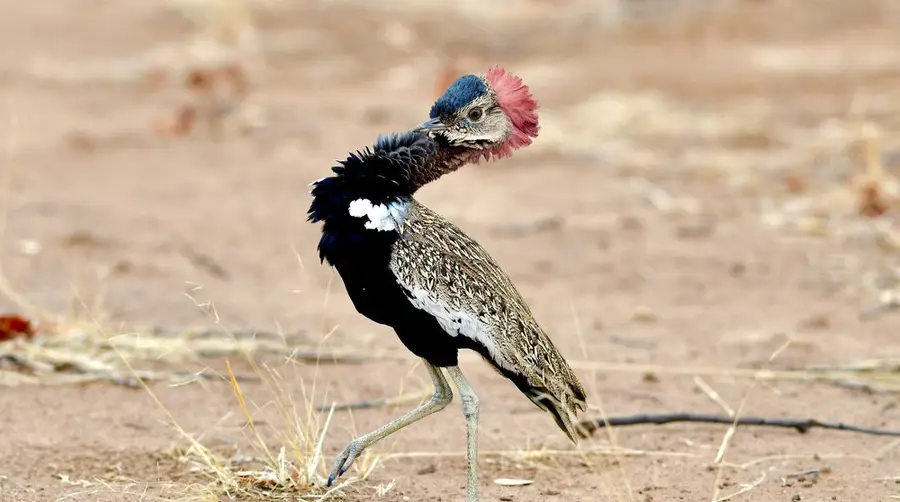 Wildlife
 How to Spot the Red-crested Korhaan on an African Safari
A field guide to finding the Red-crested Korhaan (Lophotis ruficrista) on safari: the habitats it favours, the hours it is most active, the field marks that give it away, and the tracking craft experienced guides use to locate it.
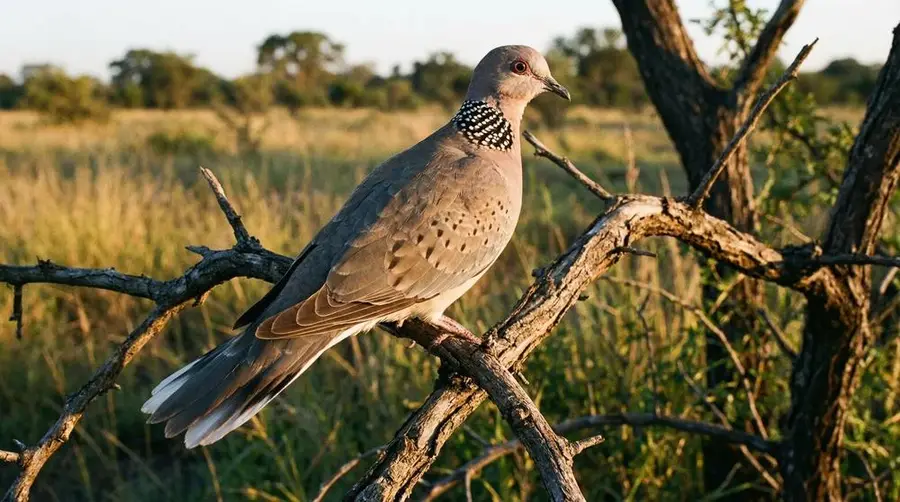 Wildlife
 How to Spot the Ring-necked Dove on an African Safari
A field guide to finding the Ring-necked Dove (Streptopelia capicola) on safari: the habitats it favours, the hours it is most active, the field marks that give it away, and the tracking craft experienced guides use to locate it.
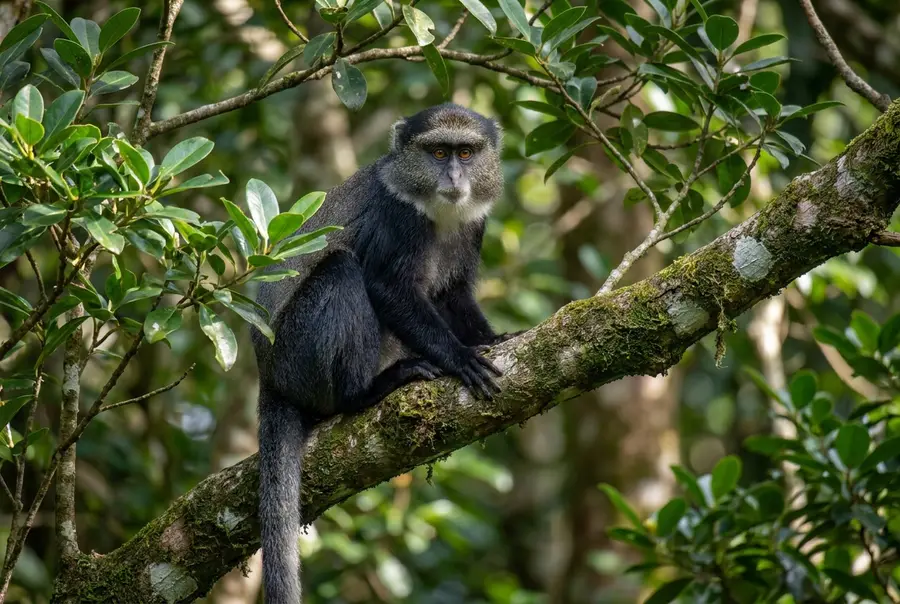 Wildlife
 How to Spot the Samango Monkey on an African Safari
A field guide to finding the Samango Monkey (Cercopithecus mitis labiatus) on safari: the habitats it favours, the hours it is most active, the field marks that give it away, and the tracking craft experienced guides use to locate it.