
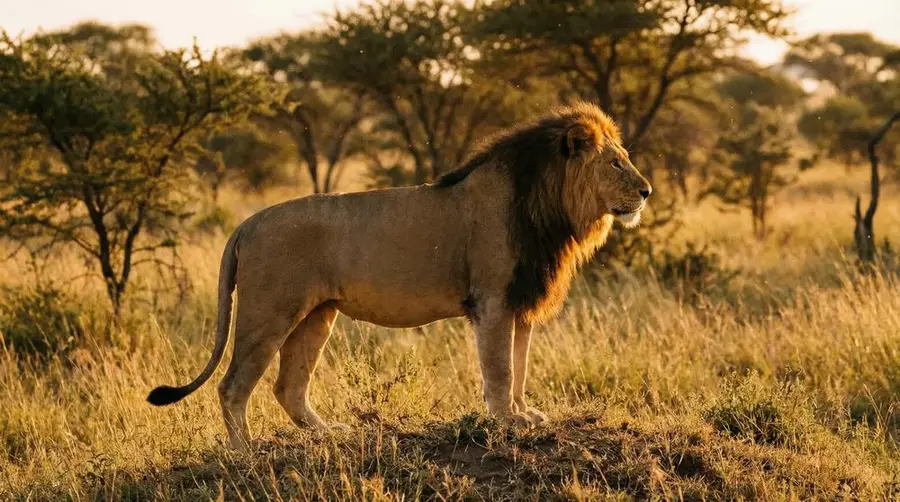
Africa's Great Cats: Lion, Leopard and Cheetah
A guide to Africa's three great cats — lion, leopard and cheetah — how to tell them apart at a glance and where to see each one on safari.
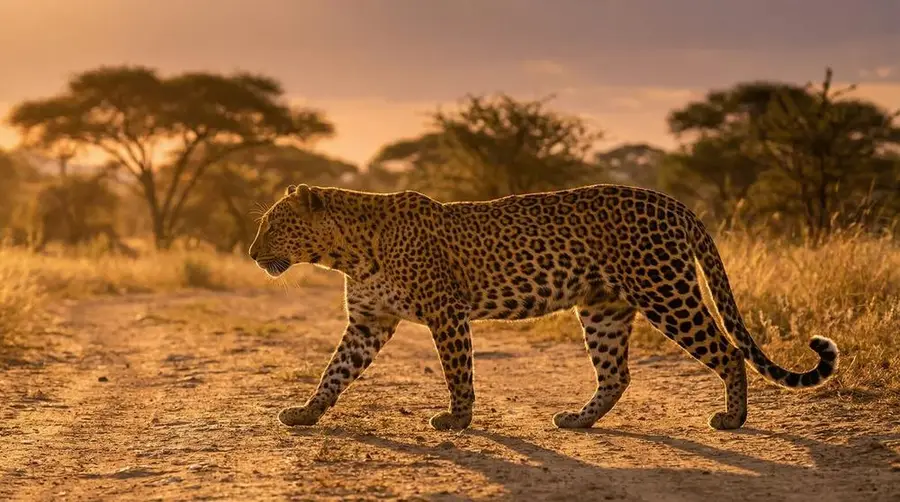
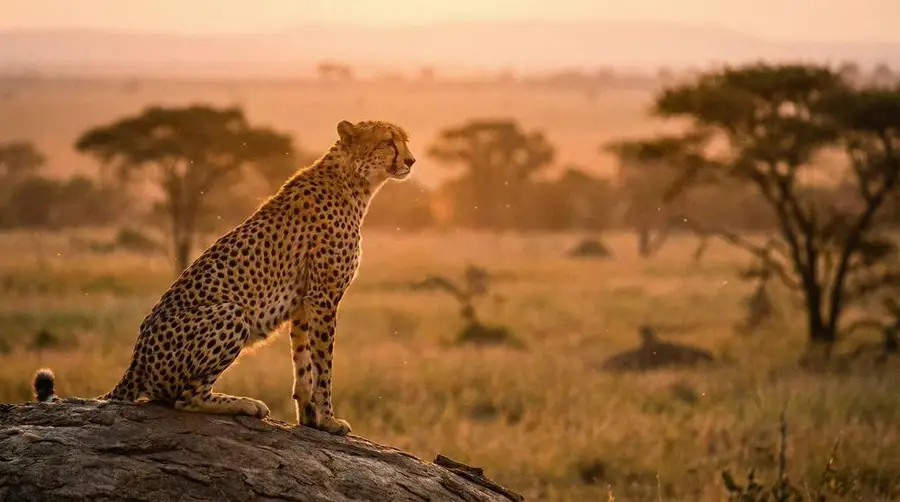
Lions, leopards and cheetahs are the stars of any safari, yet they live strikingly different lives that reflect their bodies and habits. The lion is the social giant of the pride, the leopard a solitary, powerful climber of the night, and the cheetah a slender, daytime sprinter of the open plains. Learning to tell them apart — by build, markings and behaviour — deepens every sighting and helps you know where to look for each.
The species
Where to see them
Look for these species in the national parks and reserves that protect their preferred habitats across Africa, and remember that each has its own favoured landscape and rhythm. The dry season generally makes them easier to find, as wildlife concentrates around water and cover thins out. A knowledgeable local guide who knows recent movements will dramatically improve your sightings.
Three very different hunters
Africa's great cats — lion, leopard and cheetah — are the animals that quicken every safari-goer's pulse, yet they could hardly be more different. The lion is the social one, living in prides and hunting cooperatively; the leopard is the solitary ghost, hauling kills into trees and moving mostly under cover of dark; the cheetah is the daytime sprinter, built for a few explosive seconds of speed rather than power.
Understanding those differences tells you when and where to look for each. Lions reward patient dawn and dusk drives, leopards need cover and a keen eye, and cheetahs favour open ground where they can see and run.
- Lion: social, pride-living, cooperative hunters — most active at night
- Leopard: solitary, secretive, often nocturnal, fond of trees
- Cheetah: diurnal open-country sprinter built for speed, not strength
Watching cats responsibly
Big-cat sightings draw crowds, and how vehicles behave makes a real difference to the animals. Keep noise down, never surround or crowd a cat, and give hunting or resting animals room. A cheetah that loses a hunt because vehicles blocked its line, or a leopard pushed off a kill, pays a real price for a photograph.
The most rewarding encounters come from patience: cut the engine, wait, and let behaviour unfold. Watching a pride wake and interact at dusk, or a leopard descend a tree at first light, beats any number of hurried snapshots — and it costs the animal nothing.
References & further reading
- Sinclair, A. R. E., et al. (Eds.) (2015). Serengeti IV. Chicago: University of Chicago Press.
- Estes, R. D. (2012). The Behavior Guide to African Mammals. Berkeley: University of California Press.
- Kingdon, J. (2015). The Kingdon Field Guide to African Mammals (2nd ed.). London: Bloomsbury.
- IUCN (2024). The IUCN Red List of Threatened Species, Version 2024-1. www.iucnredlist.org.
Do it with SafariLingo
Take SafariLingo on safari: 500+ species, real animal calls, offline maps and sighting logs — all in your language, wherever you roam.
Get the appFrequently asked questions
How can I identify these animals on safari?
Use a good field guide or the SafariLingo app to compare size, markings, habitat and behaviour side by side. Note the key field marks and the company an animal keeps, as both narrow the identification quickly. Your guide can confirm tricky sightings and point out subtle differences between look-alikes.
When is the best time to see them?
For most species the dry season is easiest, when animals gather around shrinking water and the thinner vegetation improves visibility. The green season can be harder for spotting but rewards you with young animals and rich birdlife. Early mornings and late afternoons are the most productive hours whatever the season.
Do I need a guide to find them?
You can spot many of these species on your own, but an experienced guide transforms the experience. Guides read tracks and alarm calls, know where animals have been seen recently and understand their daily rhythms. Their local knowledge turns hopeful searching into reliable sightings.
Related guides
 Wildlife
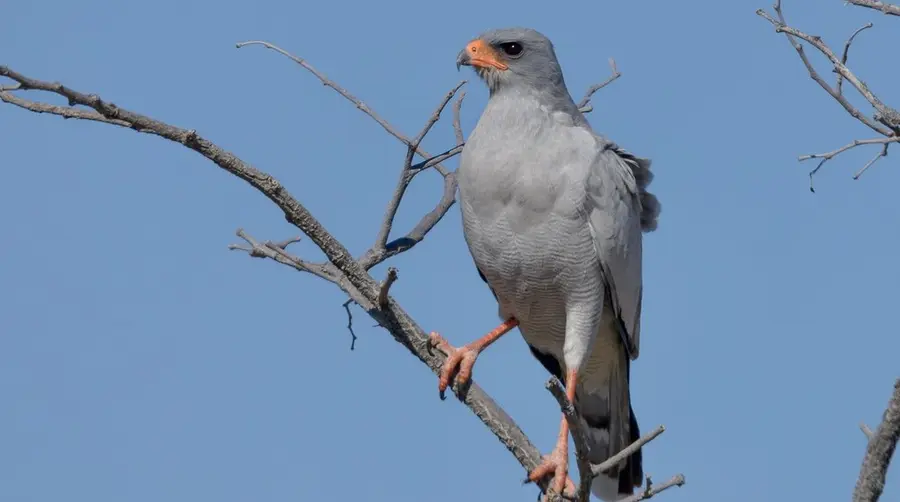
 How to Spot the Pale Chanting Goshawk on an African Safari
A field guide to finding the Pale Chanting Goshawk (Melierax canorus) on safari: the habitats it favours, the hours it is most active, the field marks that give it away, and the tracking craft experienced guides use to locate it.
 Wildlife
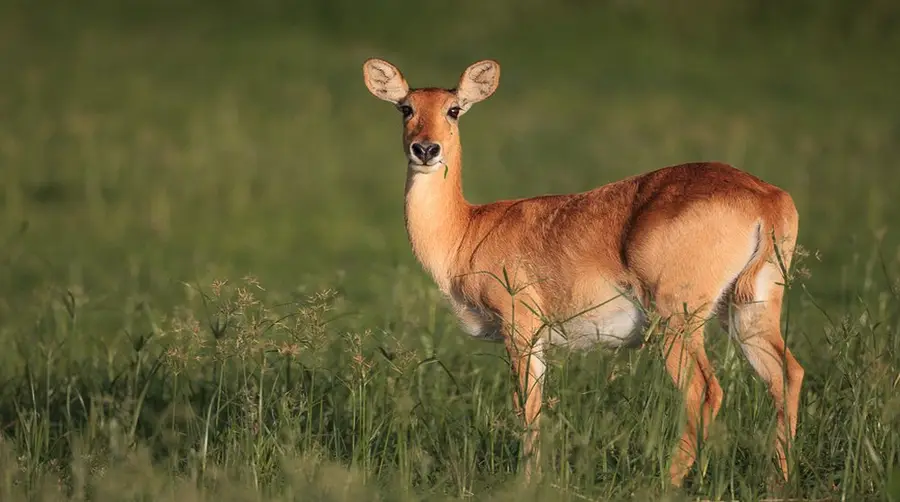
 How to Spot the Puku on an African Safari
A field guide to finding the Puku (Kobus vardonii) on safari: the habitats it favours, the hours it is most active, the field marks that give it away, and the tracking craft experienced guides use to locate it.
 Wildlife
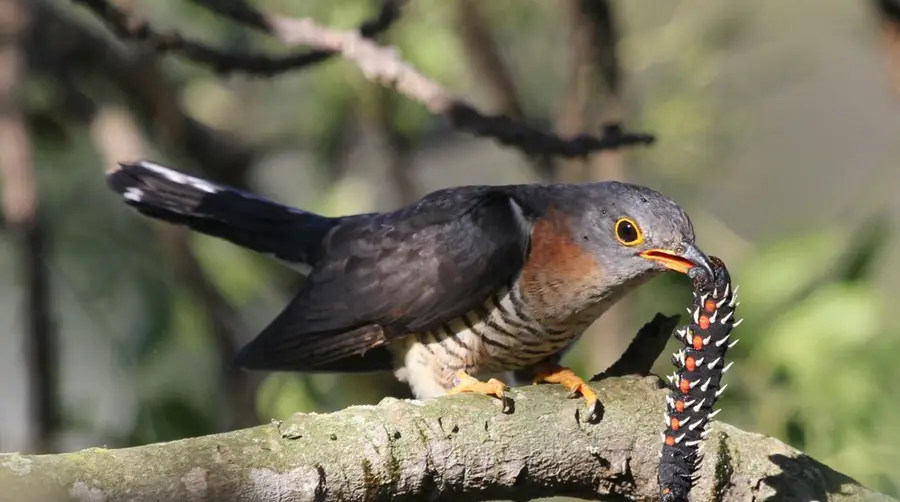
 How to Spot the Red-chested Cuckoo on an African Safari
A field guide to finding the Red-chested Cuckoo (Cuculus solitarius) on safari: the habitats it favours, the hours it is most active, the field marks that give it away, and the tracking craft experienced guides use to locate it.